Waste Management
NEWS
Spain’s waste sector is entering a decisive phase. What was once a sustainability ambition is now a strategic industrial priority, aligned with broader European goals around competitiveness, resource independence, and environmental responsibility.
The direction is clear: Spain is moving toward a future where landfills are nearly eliminated, with targets limiting their use to around 10% within the next decade. At the same time, waste-to-energy (WtE) is emerging as a critical pillar. With an estimated need for several new incineration plants, WtE will play a key role in handling non-recyclable waste streams (20–30%). This shift is structurally transforming the entire waste management value chain and increasing a need for efficient bale-based material handling.
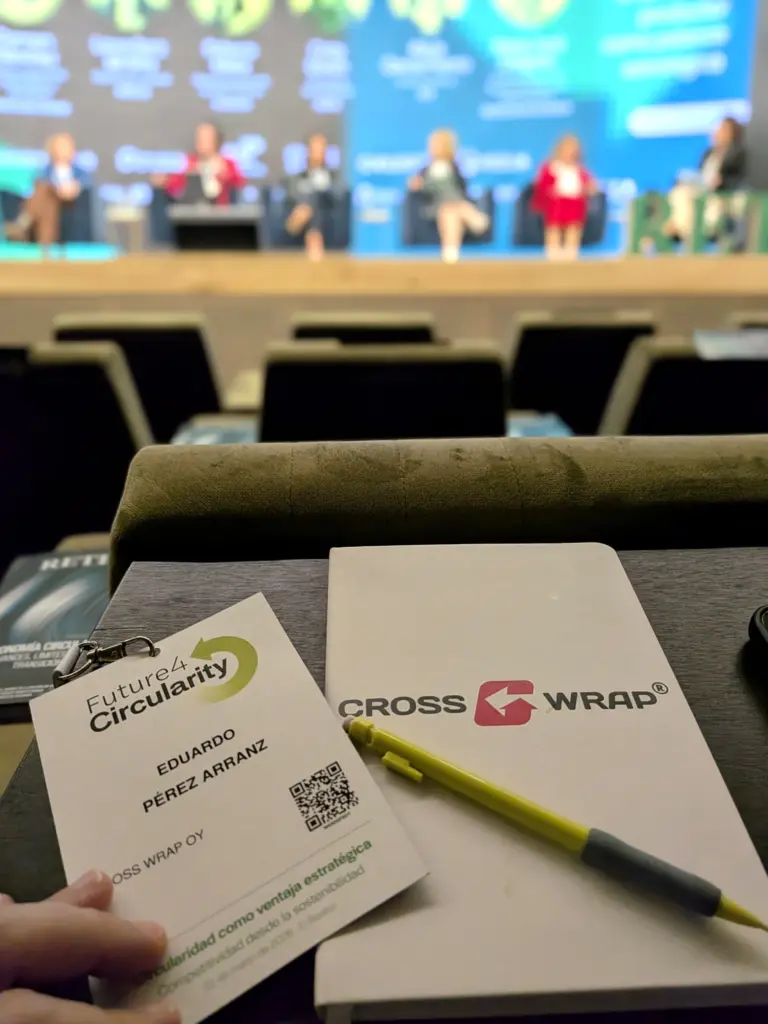
These themes were present at the recent Future4Circularity in Madrid, where industry discussions highlighted a clear direction: as landfills are phased out and waste-to-energy capacity expands – this environment creates the importance of efficient waste logistics, compaction, and bale-based handling.
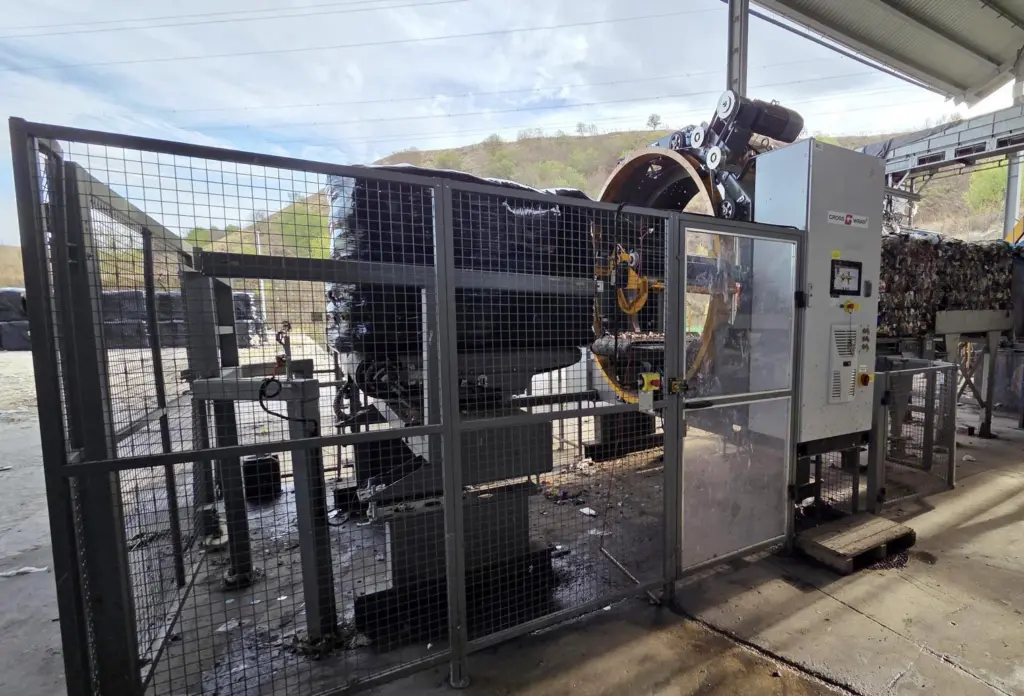
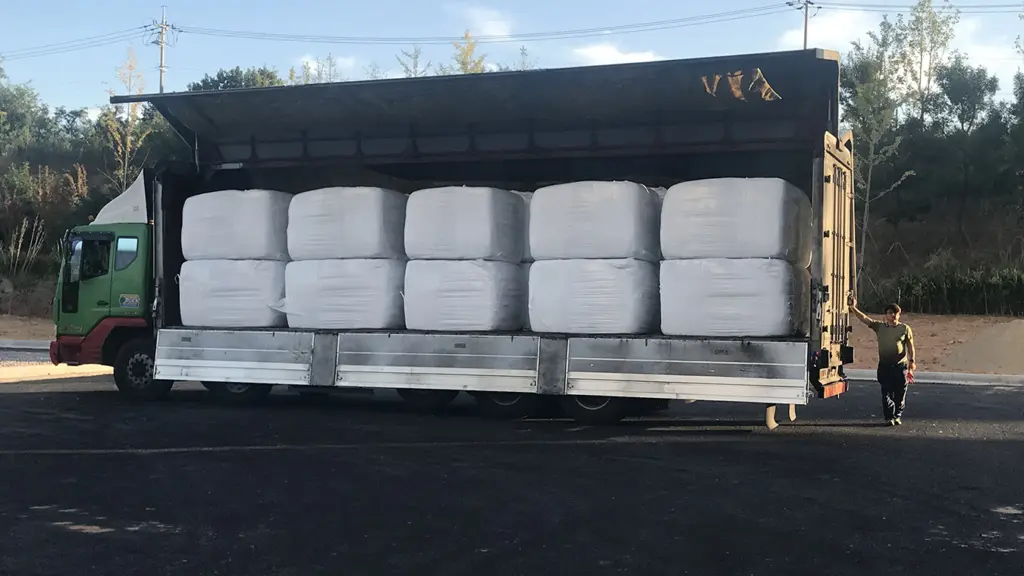
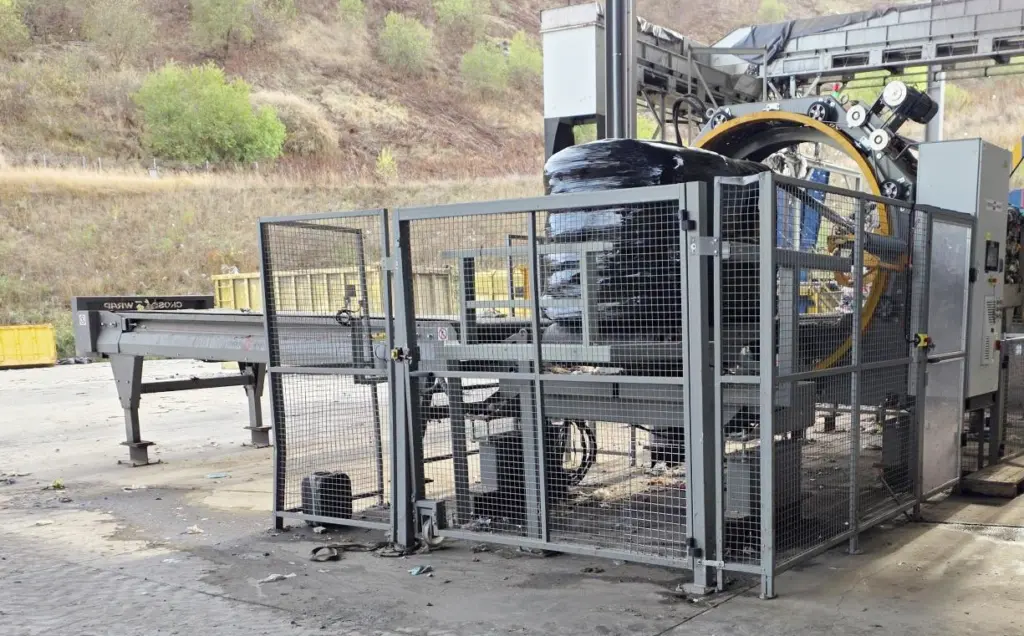
The reduction of landfill use is driving more waste to move between collection points, recycling centers, and WtE facilities. One of the most effective solutions is baling and wrapping waste into standardized square bales. This approach delivers multiple benefits: compact square bales reduce waste volume, allowing trucks to carry more material per trip, which lowers fuel and transport costs. Unlike loose waste, baled and wrapped material significantly reduces fire risks and environmental hazards during transport and storage. Standardized bale sizes streamline loading, unloading, and storage, reducing operational bottlenecks across the transport chain.
WtE plants are becoming a key pillar in Spain’s waste management strategy. These facilities require efficient and controlled material feeding to operate optimally. Bale-based handling supports this need by providing predictable waste input, improving both plant performance and operational reliability. In this context, automation and system integration are becoming increasingly relevant. As volumes grow and processes become more complex, manual handling introduces variability, inefficiency, and risk. Automated solutions help standardize operations, improve safety, and ensure consistent output quality. They also enable better management of fluctuating material flows, allowing operators to respond more flexibly to changes in demand.
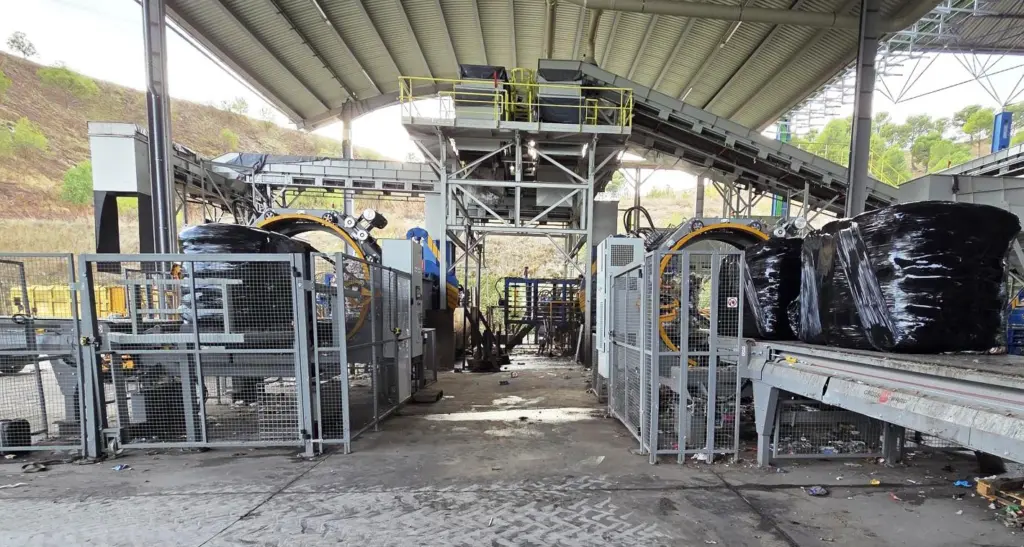
Much of Spain’s waste treatment infrastructure is obsolete, requiring significant reinvestment to meet regulatory and operational demands. Modernization opportunities include:
Bale Wrapping and Bale Opening solutions provide modular, scalable options for both new builds and retrofits, improving throughput, reducing operational bottlenecks, and increasing overall system efficiency.
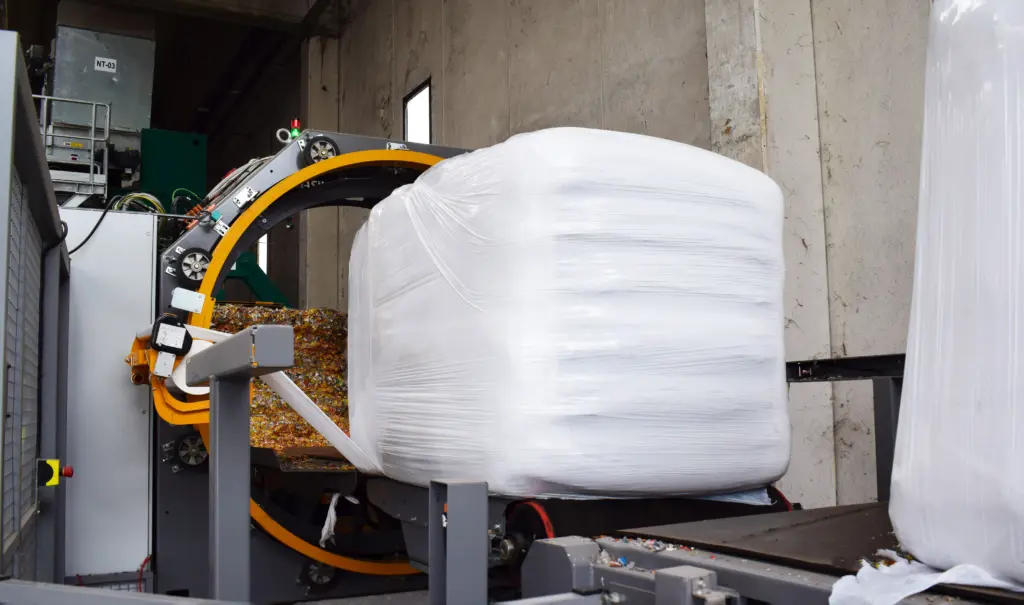
Certain regions in Spain present unique logistical challenges due to geography, infrastructure limitations, or transport constraints. The Canary Islands, for example, rely heavily on inter-island transport, which significantly increases costs and operational complexity.
In these regions, bale-based handling provides a clear advantage: Standardized square bales allow trucks and ships to carry the maximum amount of material safely and efficiently, simplifies loading, unloading, and storage. Fewer trips and better load utilization translate directly into lower logistics costs.
Curious to hear more?

Leave us a message, and our expert will get in touch to discuss your case.
"*" indicates required fields