Waste Management
NEWS

RDF operators tend to think in cost per bale – the price of film, the labor, the cycle time. But in the refuse-derived fuel chain, money isn’t made on bales. It’s made on tonnage that actually reaches the market, intact and on schedule.
That distinction matters more than it sounds. Every day a load of RDF doesn’t leave for its customer, it ties up storage space, working capital, and terminal capacity. And every bale that loses quality along the way (to moisture, unraveling, or contamination) is value quietly leaking out of a chain that already runs on thin margins.
A chain with three critical links
Refuse-derived fuel typically moves through three parties before it becomes energy.
1. A producer collects and sorts waste, strips out what can be recycled or won’t burn cleanly, and processes what remains into RDF. Baling and wrapping is made by producer,
2. or an operator who receives RDF material wrapped or receives material and bales and wraps it, and manages everything between production and shipment – storage, quality control, terminal handling, documentation, and transport by road or water.
3. Finally, a receiving plant, often a waste-to-energy facility, takes the material and converts it into electricity, heat, or both.
Each link depends on the one before it, delivering material that’s still fit for purpose. A well-run chain isn’t just efficient, it needs to be resilient to the things that erode value along the way.
Did you know that square bales beat round bales
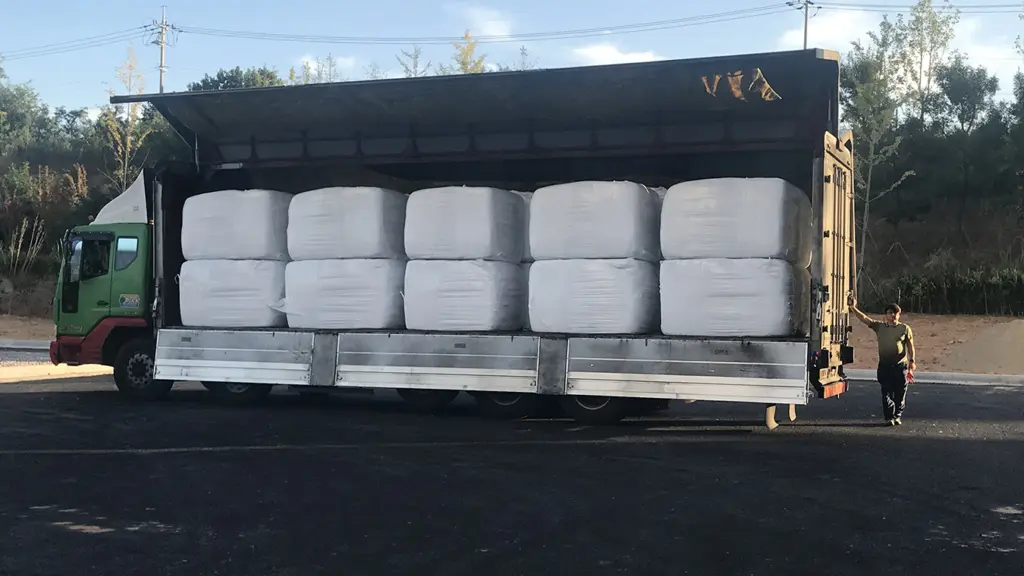
Square bales beat round bales because they use space better. Round bales leave gaps when stacked, while square bales fit together wall to wall, in storage and on a truck. One customer estimates this can mean up to 80% more material per square meter, based on the heavier bale weight and the square shape. Trucks fill better and reach their payload limit, which lowers transport cost per ton. Flat sides stack higher and more stably, with no rolling or shifting. Fewer, heavier bales also mean fewer forklift moves per ton, so handling is about halved.
The real risk is material that arrives in poor condition
The instinct is to treat baling and wrapping as a cost line. In practice, it’s a value-protection step.
“Unwrapped or poorly protected RDF is exposed to moisture, contamination, and physical damage, and all these lower its quality, and in some cases its usability, by the time it reaches the plant that’s paying for it.
“The sharper way to put it: the biggest risk in the RDF chain isn’t what it costs to bale material. It’s the possibility that material doesn’t make it to market in the condition it needs to,” says Ville-Pekka Parkkinen, Cross Wrap’s Sales Director.
Cross Wrap’s role: protecting the value, not just the bale
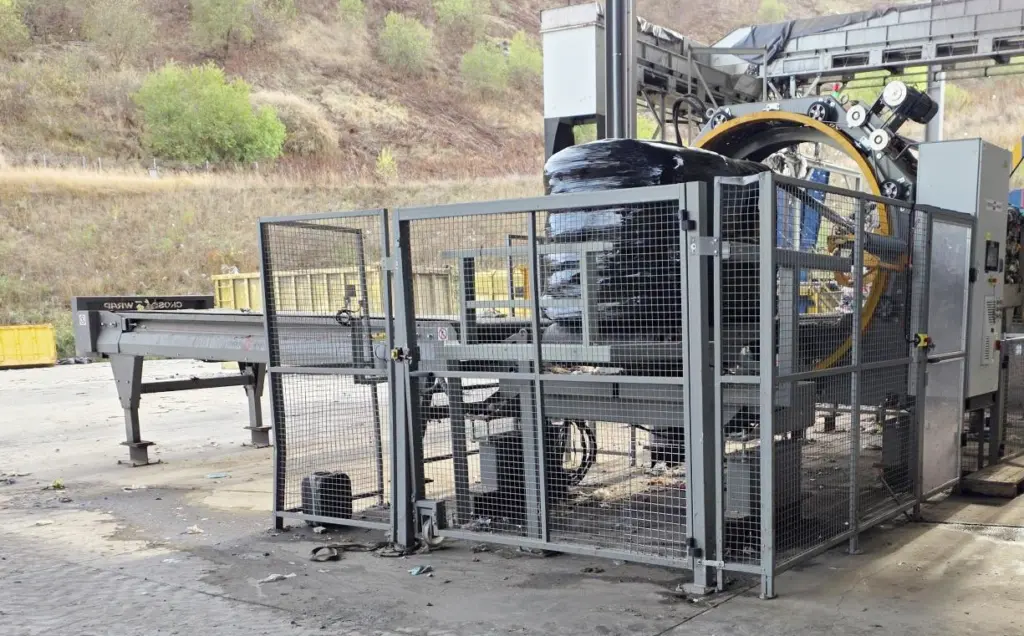
Cross Wrap sits at the critical point in this chain, between production and transport, where RDF is baled and wrapped into a unified, protected, handleable unit before storage, terminal handling, and shipment. That’s where the value of the fuel is either preserved or put at risk.
What that protection actually delivers:
“Cross Wrap doesn’t just sell a wrapping machine. It helps protect the commercial value of the fuel, and makes sure the material flow can be stored, transported, and delivered to the customer reliably,” summarizes Ville-Pekka Parkkinen.
Cross Wrap helps RDF producers, exporters and receiving plants turn a waste flow into a cash flow, reliably. Wrapping keeps every ton intact on its way to the buyer. Our Bale Openers then open the bales at the waste-to-energy plant, so the material arrives ready for use. Every ton that reaches its buyer intact and goes smoothly into the process is what we target in this chain.

The biggest risk in the RDF chain isn’t what it costs to bale material. It’s the possibility that material doesn’t make it to market in the condition it needs to.
Ville-Pekka Parkkinen, Cross Wrap’s Sales Director
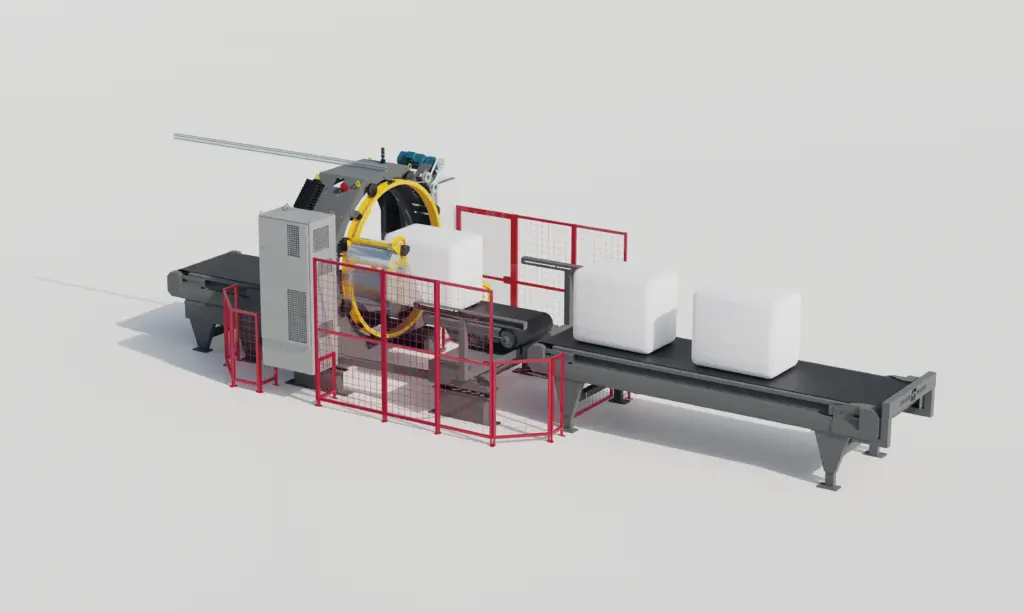
Nothing protects waste better during storage and transport than our square bale wrappers.
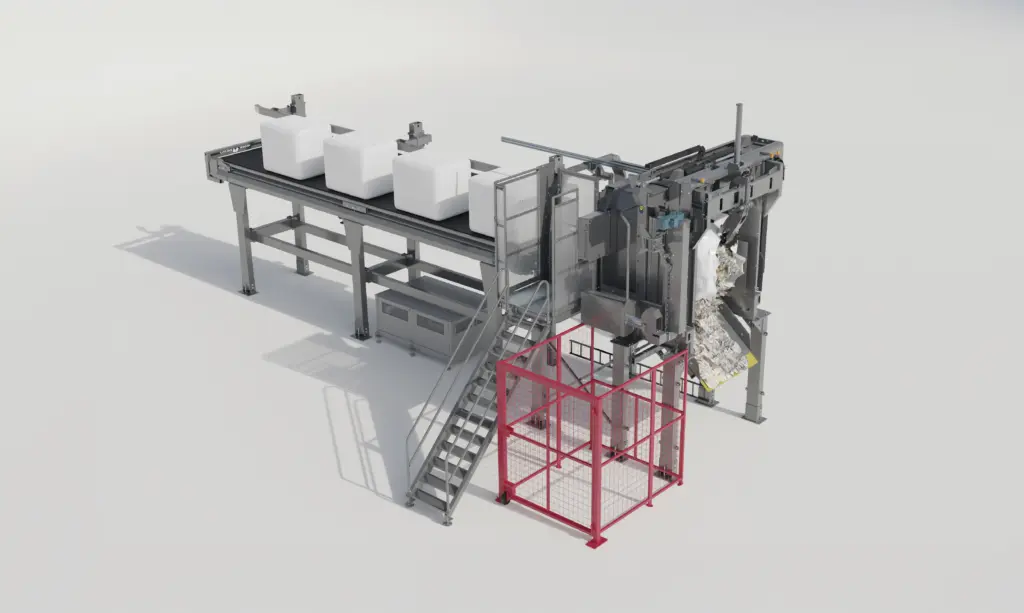
When valuable waste bale is opened for energy purposes, Bale Opener automates the process.
Cross Wrap machinery is setting the industry standard in bale wrapping. Our unique cross-wrapping method is trusted by leading companies in the waste management and waste-to-energy industries worldwide. While our bale openers are helping WtE plants automate their bale infeed processes and ensure a consistent material flow.
Want to join them? Find your local Area Sales Manager’s contact details by clicking the button below.

Leave us a message, and our expert will get in touch to discuss your case.