News
NEWS
“A smooth and reliable material infeed is the key to efficient plastic recycling. Discover how the right setup at the start of your process can improve safety, reduce downtime, and boost overall productivity.”
This article explores the three most common methods: Manual Wire Cutting, Shredding and Automated Dewiring, used worldwide to open bales and remove wires. While not a complete list, these approaches represent the techniques most frequently seen across the circular economy, each with its own strengths and limitations.
It’s important to note that no single method can deliver a perfectly consistent material flow on its own. Achieving reliable material processing typically requires a combination of solutions, adjusted to the needs and conditions of each facility and understanding the options. Let´s have a closer look at each method.
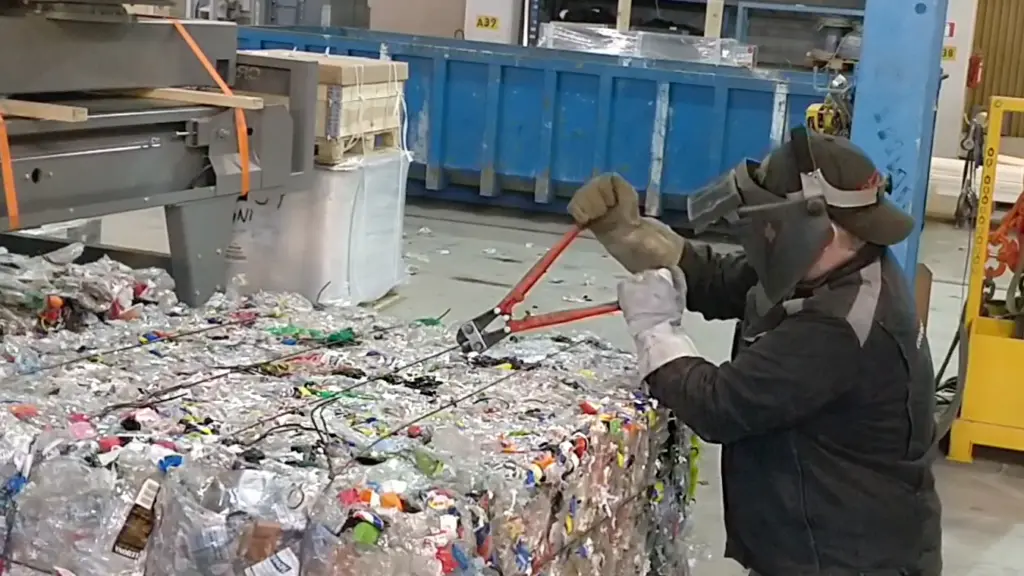
The traditional way of removing steel wires from material bales is to cut them by hand. In the beginning of your process, operator work is needed for collecting and opening the bales and feeding material to the process, for example. Often, facilities that use this method may have a high employee turnover, since the work is dangerous and repetitious. The loose wires are stored and transported with a lot of air between them unless extra equipment is used for compressing.
Manual wire cutting only handles the part of the process that removes the wires. To separate the material after removing the wires, a machine such as a shredder or a bale breaker is needed to loosen the material for the process.
Safety hazards and employee retention pose the biggest challenges for this method. On the other hand, if your facility is already operational, using manual wire cutting does not require further investments.
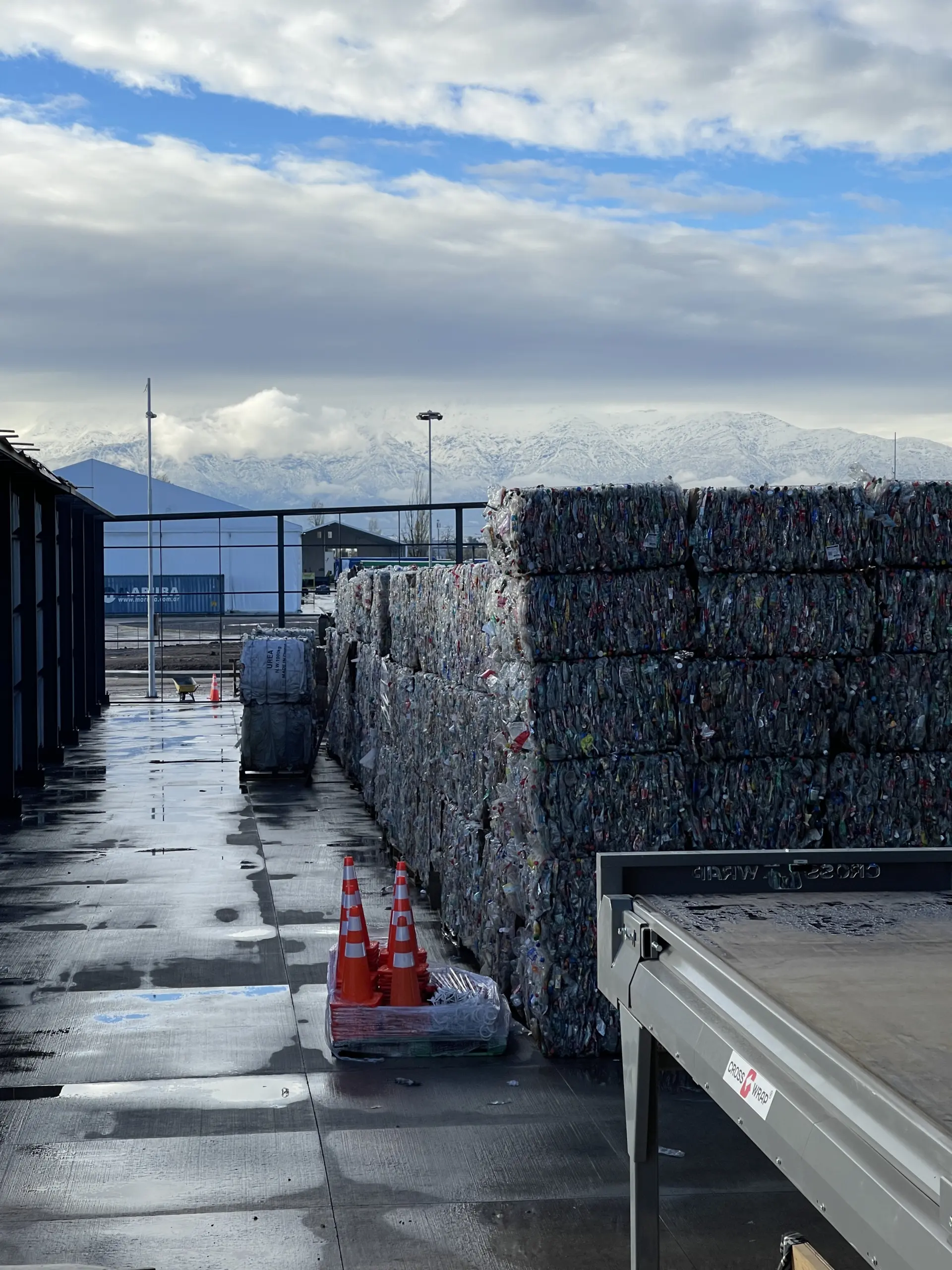
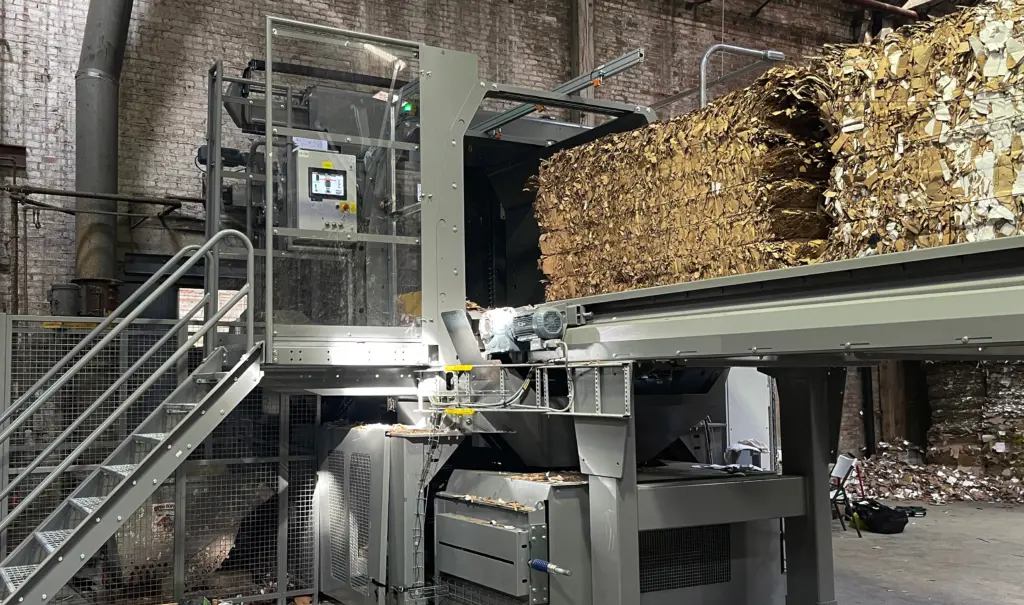
Shredding offers an automated, straightforward way to open bales, as the machine breaks apart both the material and the intact wires. A magnet later removes the metal. While shredders can be used on their own, they perform best when bales are pre-cut and wires removed, since processing whole, tightly packed bales is slower and affects capacity.
Safety is an important consideration, as material can sometimes be ejected from the hopper – especially when dense, wired bales release pressure. Constant exposure to metal wires also accelerates blade wear, leading to higher maintenance costs and occasional downtime when wires get tangled in the machinery.
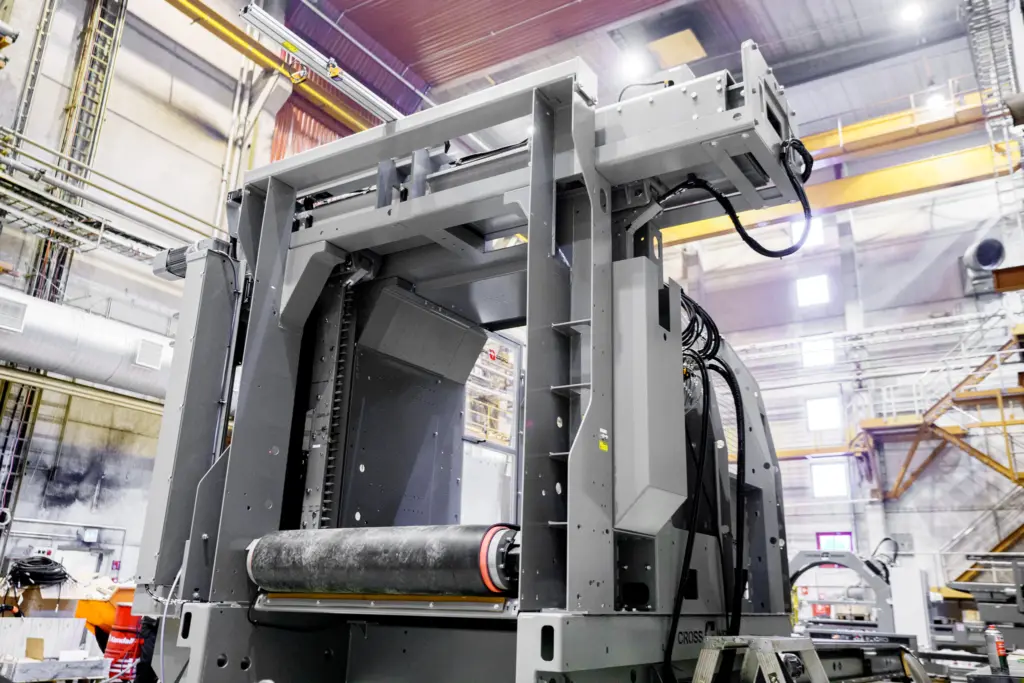
When the metal wires are removed from the bale as early in the process as possible, they do not cause problems for other machines further on the line. Dewiring makes the material infeed in the beginning of your process fully automated and enables smooth and continuous material flow in the next steps in the process. In addition, as the bale gets opened, it breaks down to slices that are faster for a shredder or a bale breaker to handle.
In operations involving shredding, shredder blades last longer since bale wires are removed before a material enters the process. Dewiring machine cuts the metal wires and separates them from the bale. The machine coils the wires that save space in storage and transportation, compared to wires cut by hand.
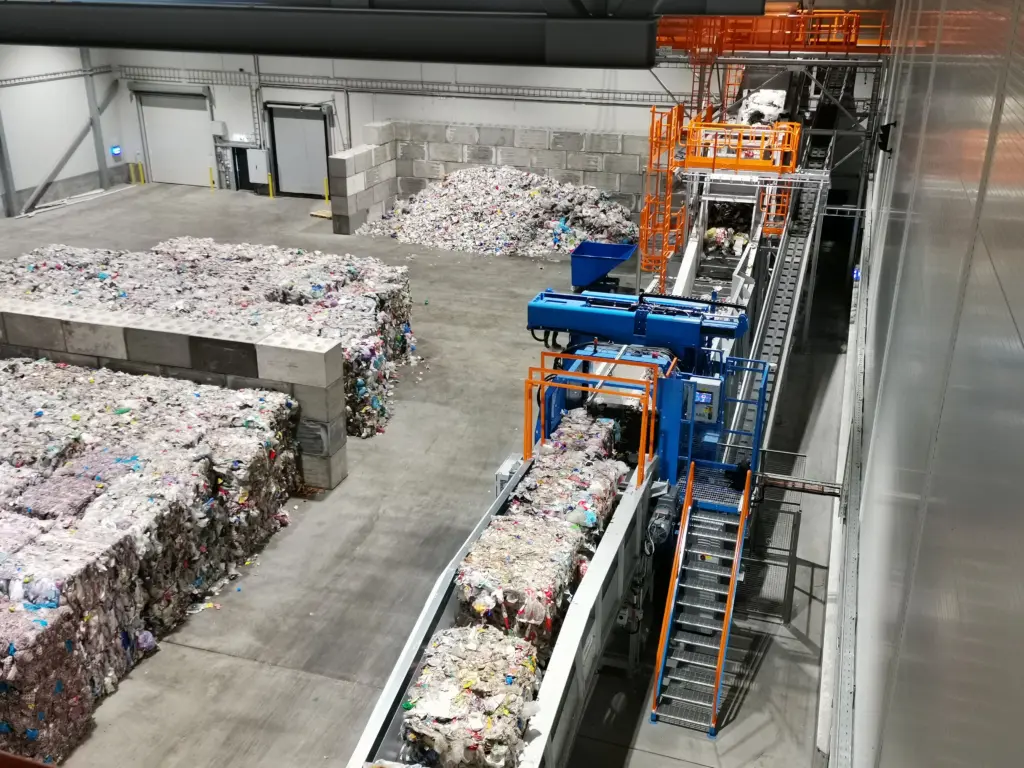
Cross Wrap pioneered automated Bale Dewiring in 2017, setting the industry standard. The dewiring solution is an infeed, wire cutting, and wire recovery solution by nature.
“Customers report up to 50% less wear and tear on shredders when using Dewiring solutions.”
After waste bales arrive at the recycling facility, the baled material must be fed into the process and opened to get a loose material flow, depending on customer´s needs and volumes, the plastic bales will be placed onto infeeding conveyor or directly into the Dewiring unit. The fully automated process cuts, removes and coils the metal wires for easy handling. Once dewired, the bale opens into slices, allowing shredders or bale breakers to handle the material for the next process steps.
If installed before a shredder or bale breaker, the Dewiring Machine ensures smoother material flow, improved safety, and lower maintenance costs.
Built on a solution-oriented approach, every machine is tailored to meet customer-specific needs and operational goals. Designed for both horizontal and cross-wired bales, the system can include a bale turning unit for added flexibility, making it ideal for facilities handling mixed bale types.
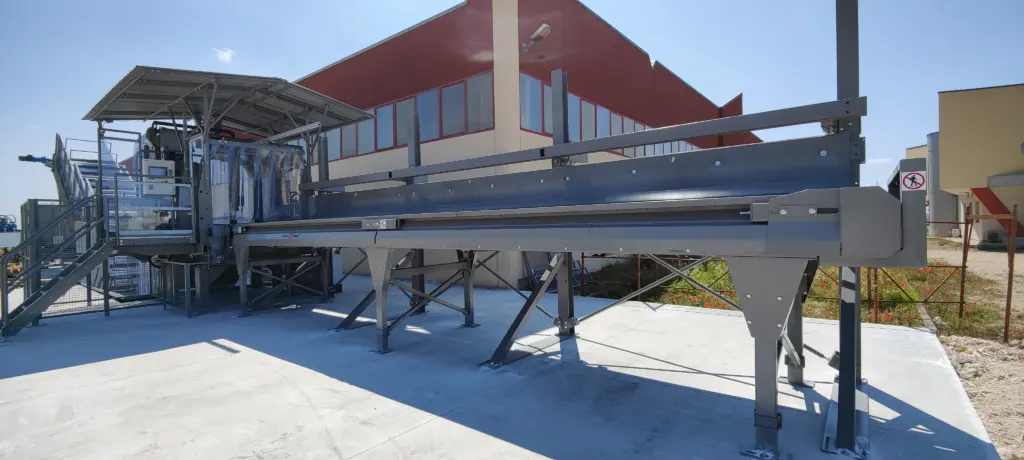
Cross Wrap conveyors ensure baled material moves efficiently through the recycling line. Our conveyor solutions are ideal for plastic, paper, and various other recycling applications. Fully automated and customizable, multiple units can be linked to create a seamless and reliable infeed system. Each conveyor type is tailored to customer needs, based on material type, quality, and process requirements. Cross Wrap chain conveyors ensure baled material moves efficiently through the recycling line.
To further optimize your process, Cross Wrap offers smart add-ons like the Bale Slice Breaker, which loosens bale slices for even smoother flow, and the Coil Shredder, which crushes a metal coils for cleaner recycling and higher material value.
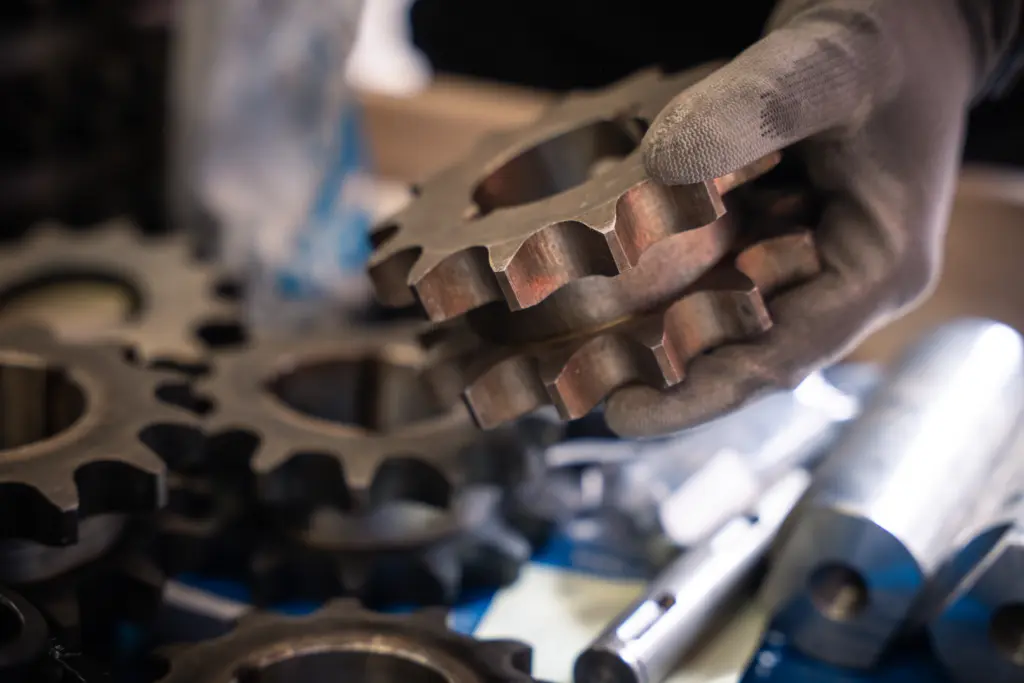
In addition, Cross Wrap has always focused on delivering high-quality Lifecycle Services to a customers, keeping customer satisfaction at the heart of our business. Cross Wrap offers a wide range of maintenance and modernization solutions, such as Original spare parts, modifications, upgrades, service contracts and technical support, to keep your equipment running smoothly for years to come. Lifecycle services team is provided by trusted experts, who are available whenever you need transparent advice and clear solutions.
Leave us a message, and our expert will get in touch to discuss your case.