News
NEWS
The role of waste in modern industry is changing. What was once treated primarily as a disposal challenge is increasingly recognized as a valuable resource. At the same time, expectations around safety, traceability, and material quality are rising. This shift is placing new demands on how waste is handled, stored, and transported across the entire value chain.
These themes were present at the recent EFW Conference in London, where industry discussions highlighted a clear direction: waste transportation is no longer just a logistical function, but a critical part of ensuring operational efficiency, regulatory compliance, and material value.
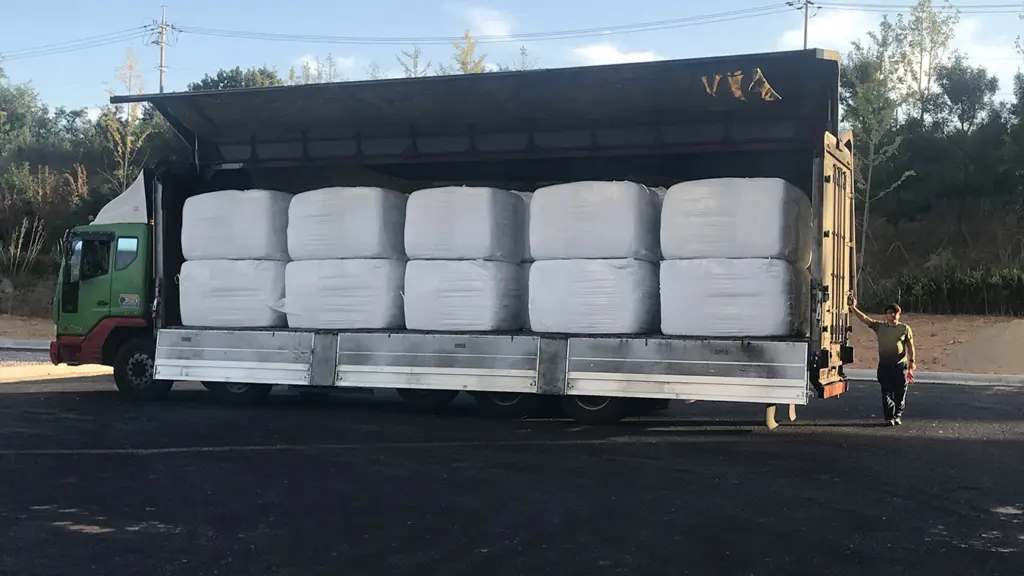
As regulations tighten globally and export requirements become more complex, the need for controlled and predictable handling of waste materials is growing. Whether transported locally or across borders, materials must meet increasingly strict standards. This requires not only reliable processes, but also consistency in how waste is prepared for transport.
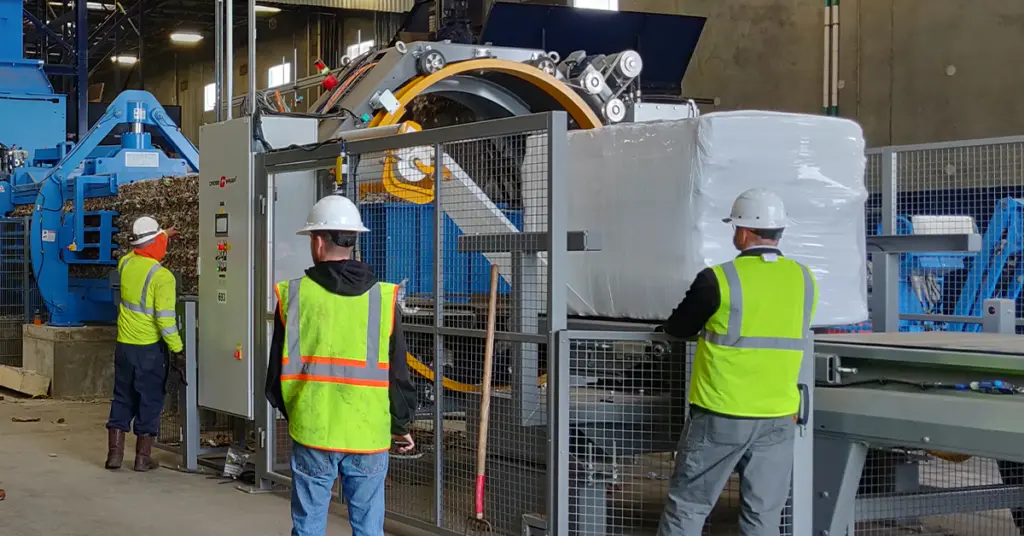
Safety remains at the core of these considerations. Poorly contained or loosely handled waste introduces risks ranging from fire hazards to dust, odors, and leakage. These risks affect not only operational environments but also surrounding communities and infrastructure. Ensuring that materials are properly contained and stable during storage and transport is becoming a baseline requirement rather than a competitive advantage.
At the same time, traceability is emerging as a key enabler of both compliance and trust. Being able to identify the origin, composition, and handling history of materials is no longer optional. It supports regulatory reporting, reduces the risk of misuse, and improves transparency between stakeholders. For operators, this also means better control over their processes and the ability to respond more effectively to changing requirements.
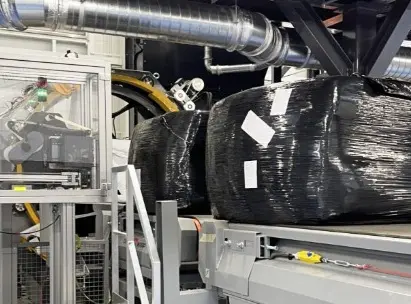
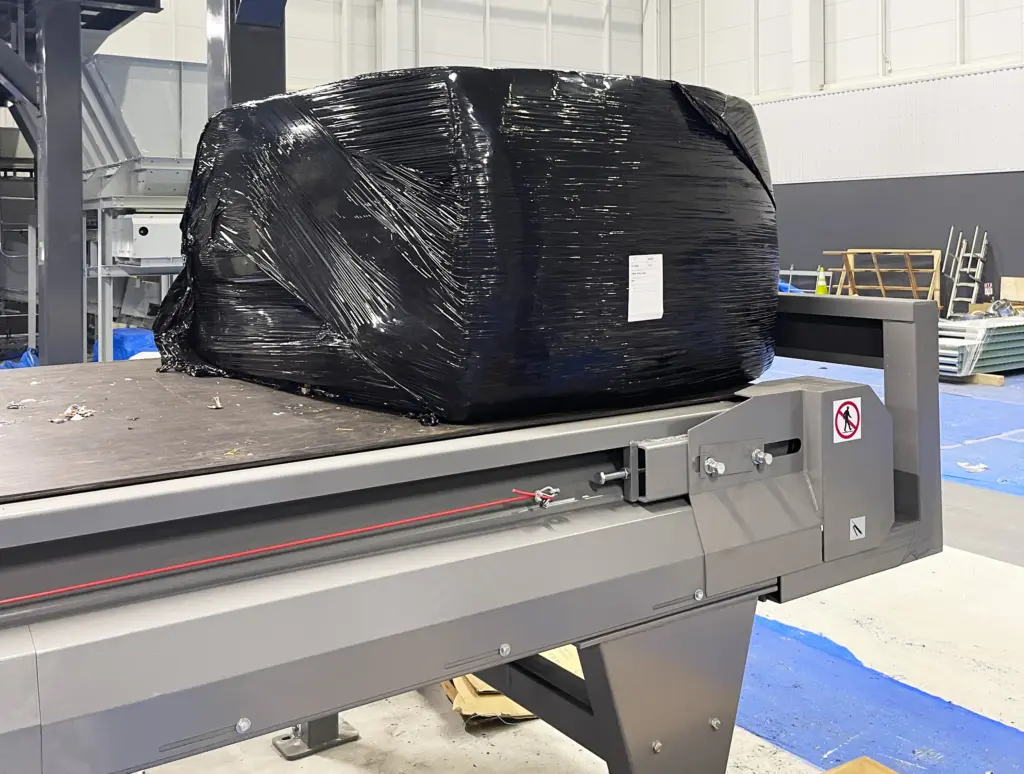

Another important shift is the recognition of waste as a resource that must retain its value throughout the process. The way materials are handled before transportation directly impacts their usability at the receiving end. Losses, contamination, or degradation during handling can reduce the efficiency of recycling or energy recovery processes. Maintaining material integrity is therefore not only a technical requirement, but also an economic one.
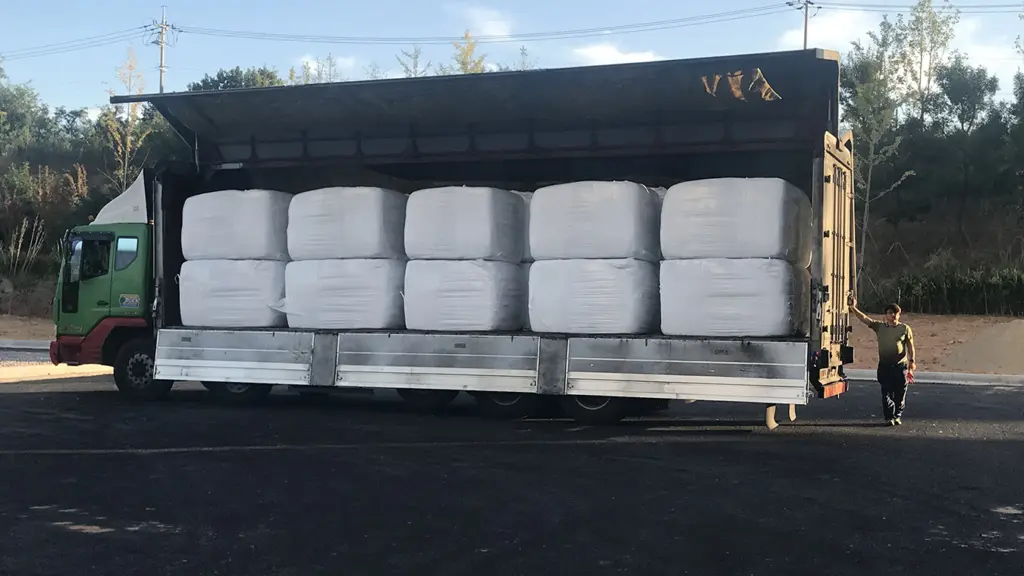
In this context, automation and system integration are becoming increasingly relevant. As volumes grow and processes become more complex, manual handling introduces variability, inefficiency, and risk. Automated solutions help standardize operations, improve safety, and ensure consistent output quality. They also enable better management of fluctuating material flows, allowing operators to respond more flexibly to changes in demand.
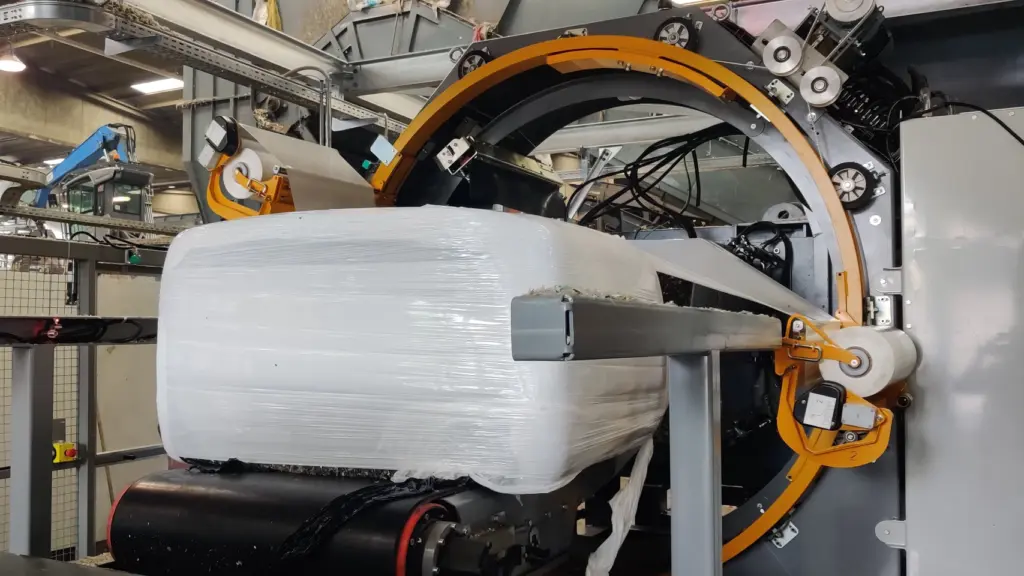
Looking ahead, the future of waste transportation will be defined by the ability to combine these elements into a coherent and reliable process. Safety, traceability, efficiency, and material preservation are no longer separate considerations, but interconnected factors that must be addressed together.
For operators, the challenge is not only to meet today’s requirements, but to build systems that are robust enough to adapt to what comes next. As the industry continues to evolve, the importance of well-designed, integrated solutions will only grow.
With decades of experience in material handling, Cross Wrap continues to follow and contribute to these developments, supporting safer and more efficient waste transportation practices across global markets.
Interested to learn more about our solutions for efficient waste handling?
Leave us a message, and our expert will get in touch to discuss your case.
"*" indicates required fields