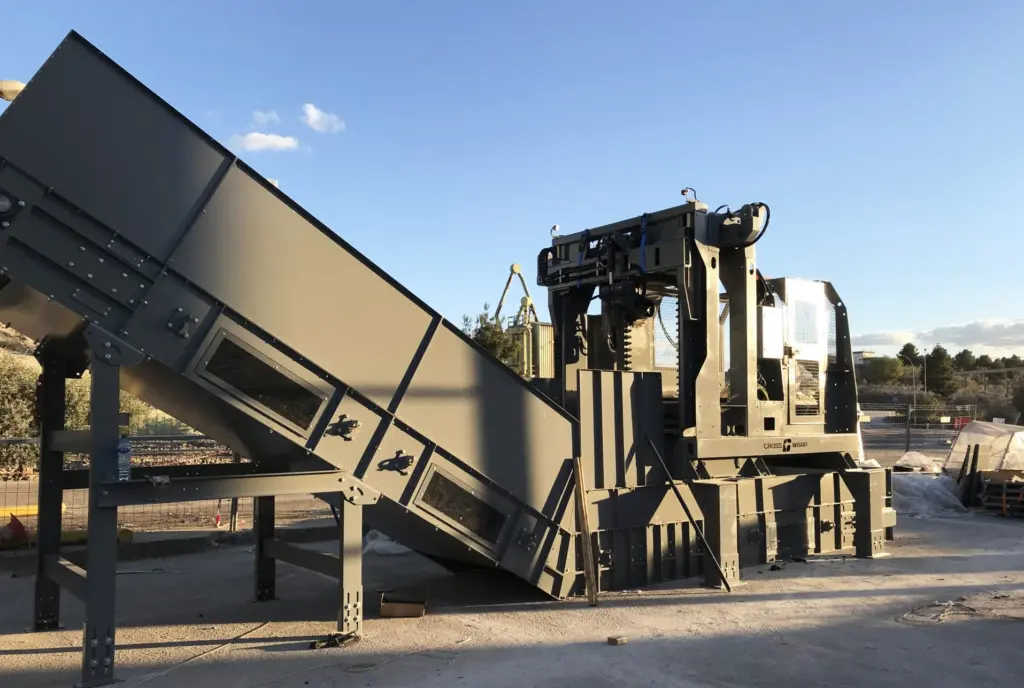
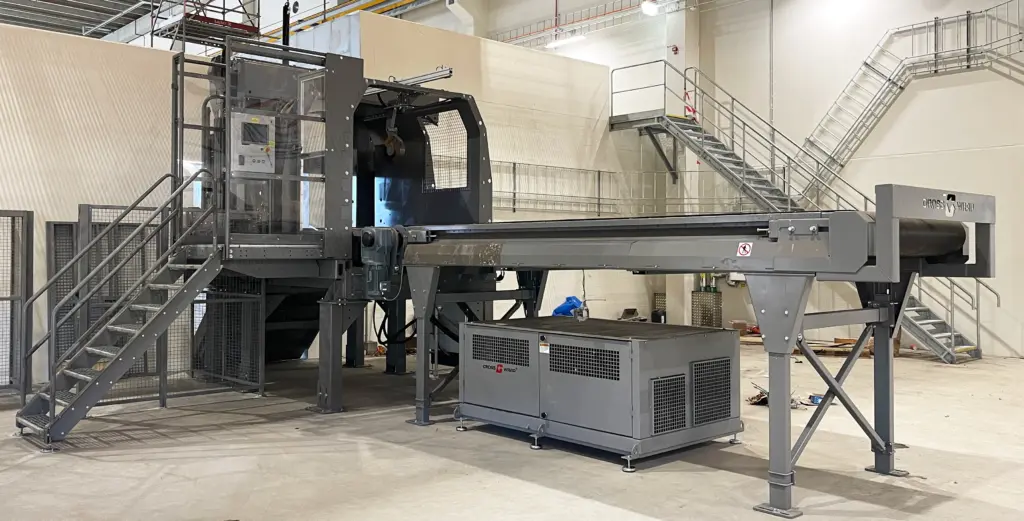
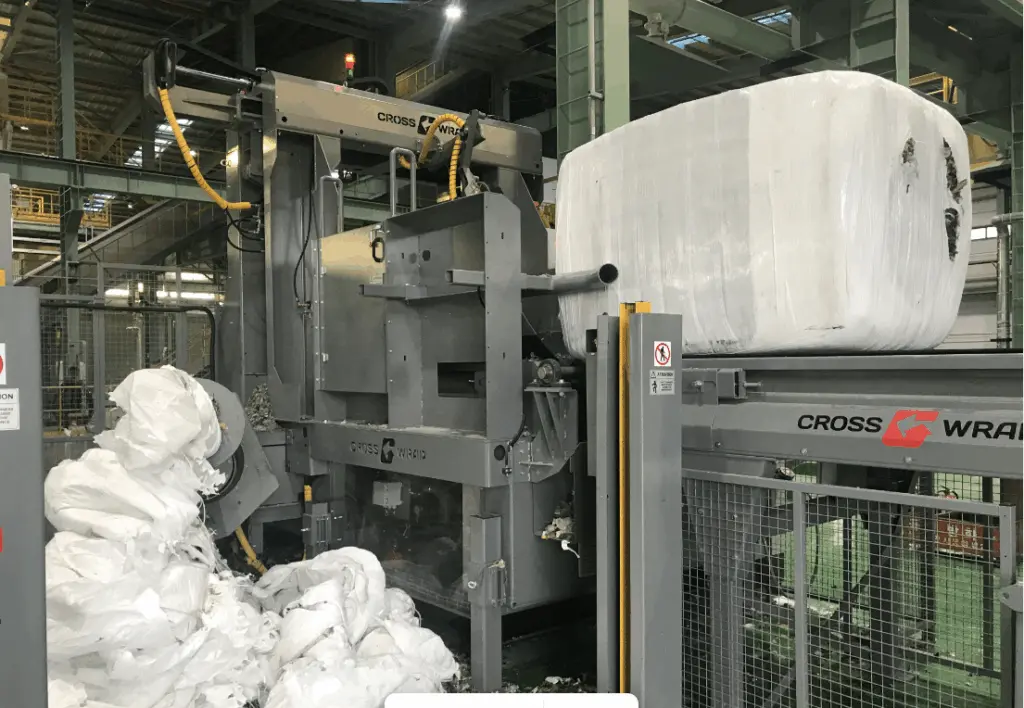
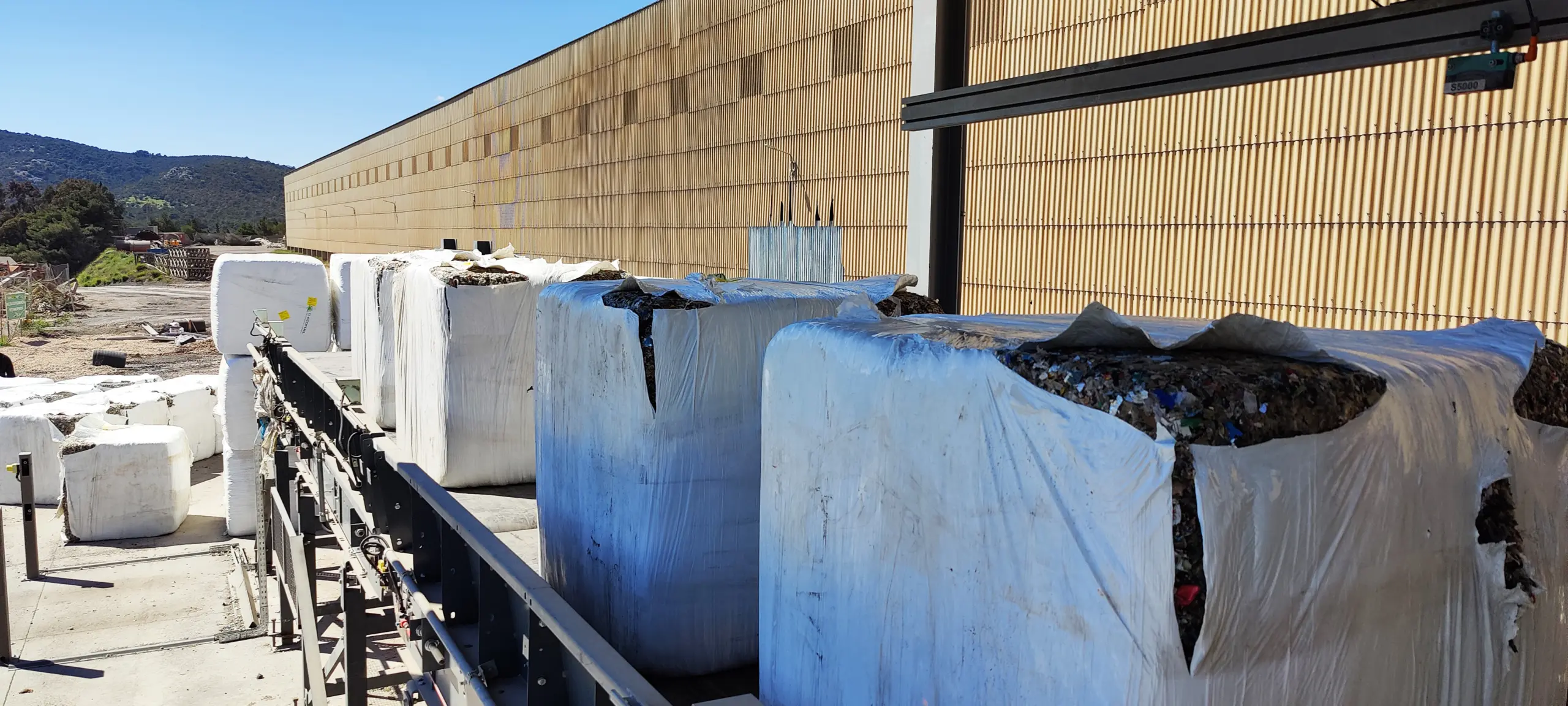
Bale Opener: Open plastic-wrapped bales cleanly and automatically
Shift to automated infeed in recycling and fuel handling
Open plastic-wrapped bales automatically
Capacity up to 60 bales per hour
For common waste-to-energy materials
Separates film, net, and ties
For both square and round bales
Fully automatic, adaptable to your line
Tearing bales open with an excavator or running them through a trommel screen wastes time and wears down the equipment.
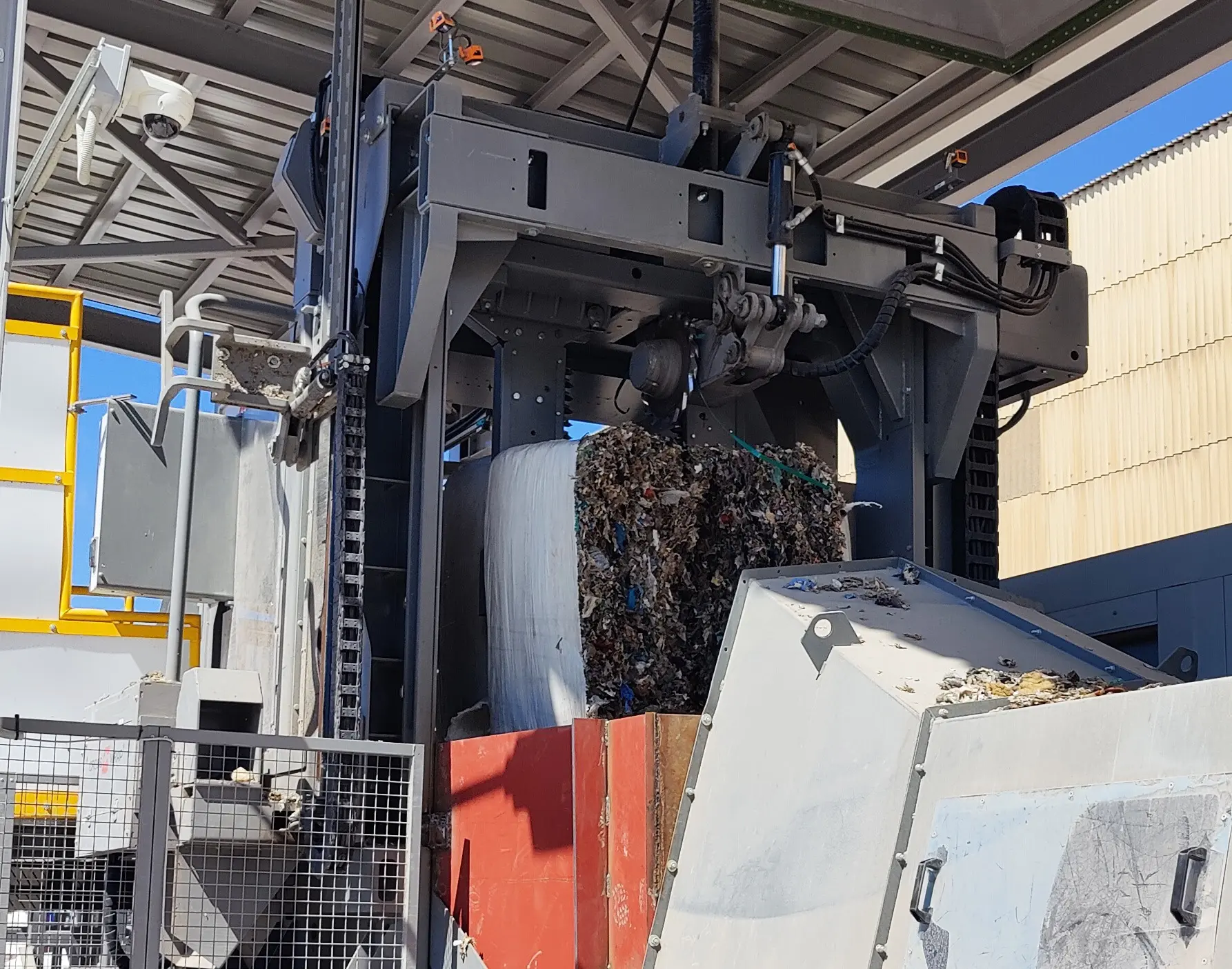
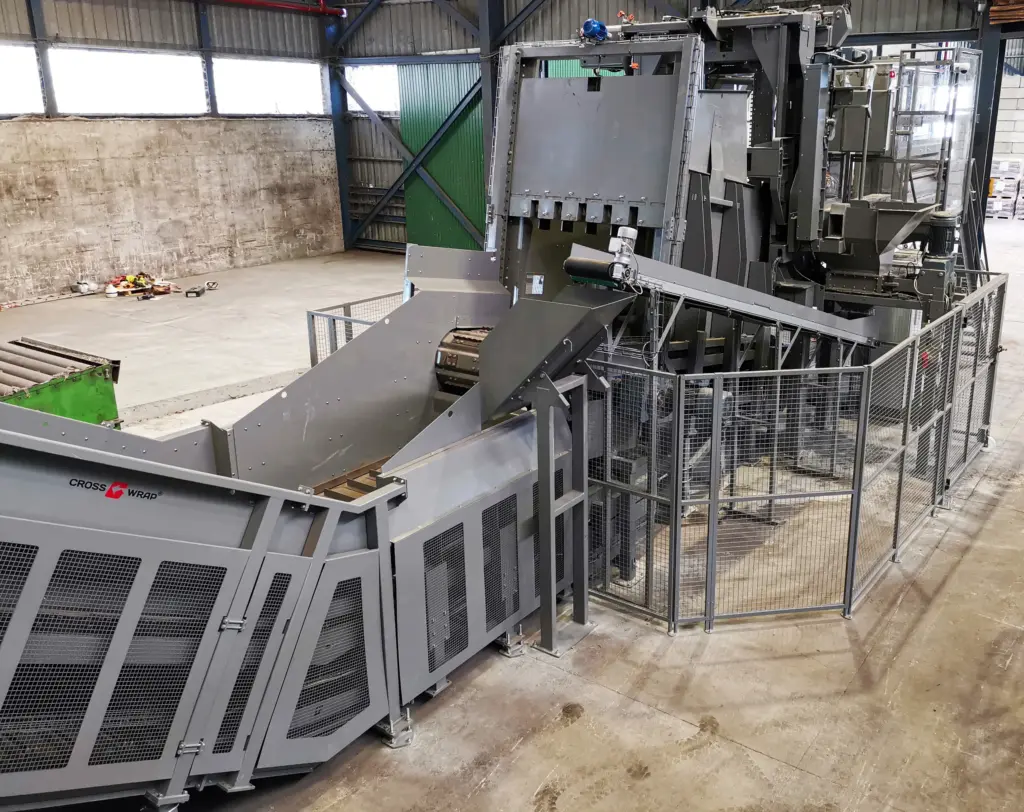
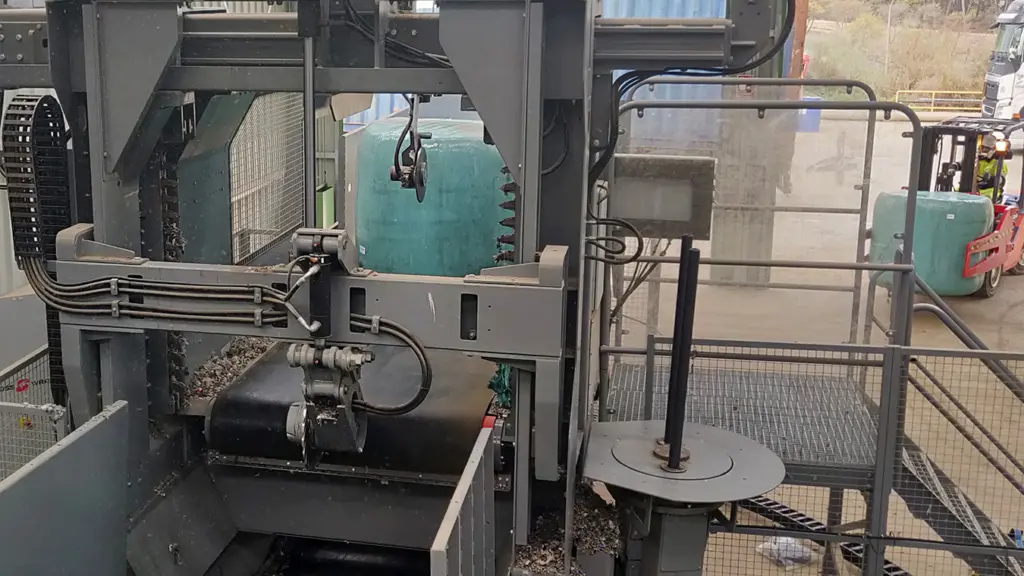
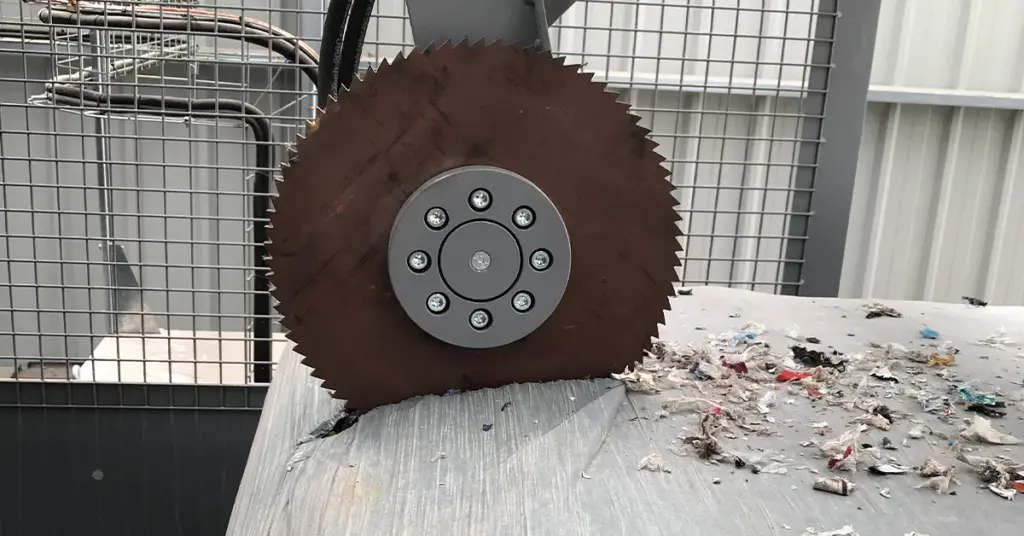
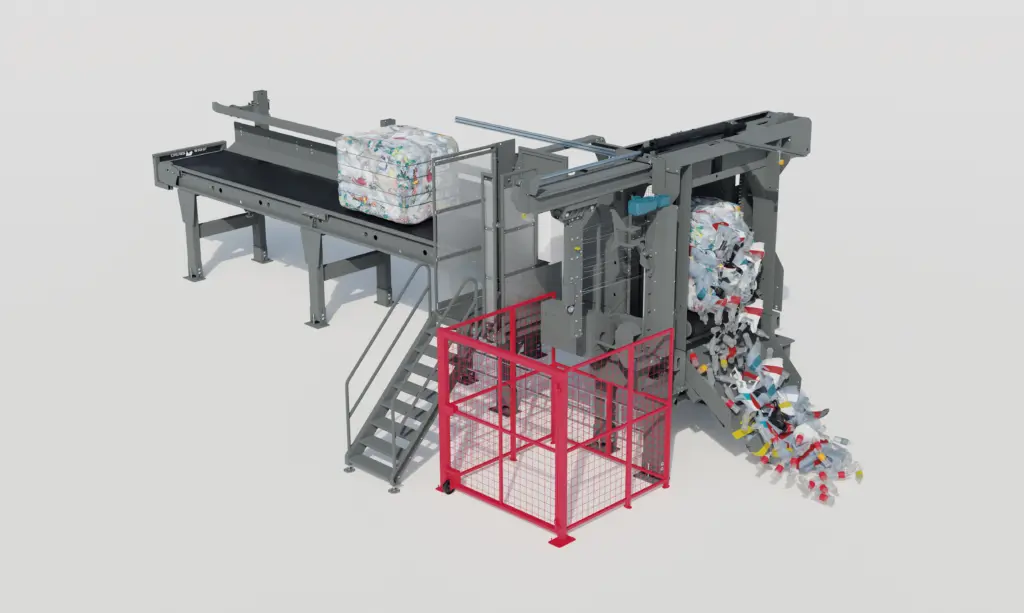
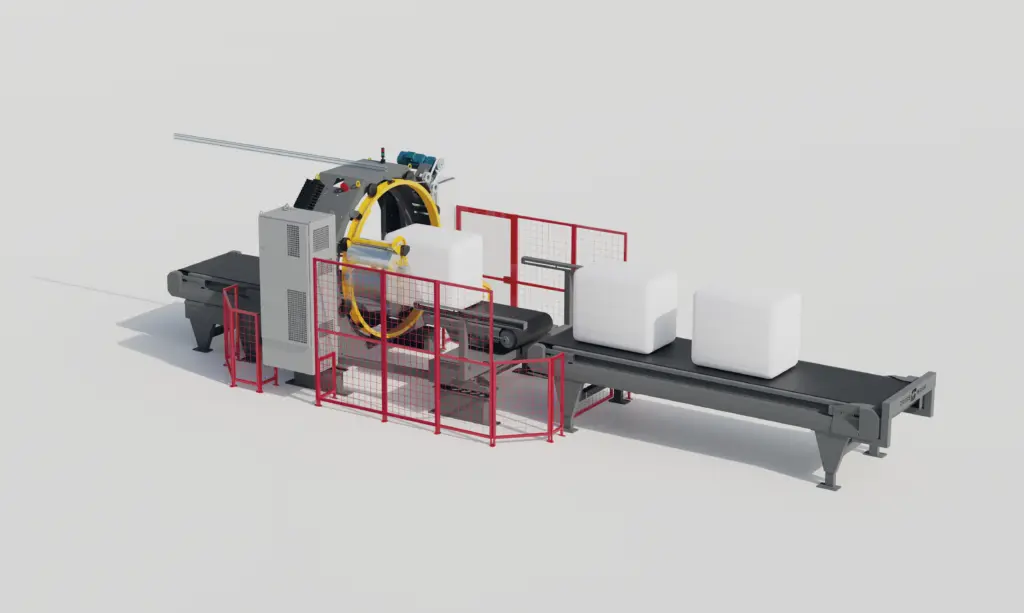
The Cross Wrap Bale Opener takes on that first, toughest step: it opens the bale from three directions, then clears away the film, net, and ties holding it together, so only clean fuel continues into your process.
“In our Bale Opener, we use the same proven technology as in the Bale Dewiring Machine. Both have been developed and improved over the past ten years through continuous learning.” Nikke Tick, Cross Wrap Product Manager
The Bale Opener runs the whole infeed step automatically, from cutting to separating. That means fewer people tied up at the start of the line, more open floor space, and a tidier facility overall, shift after shift.
Film, net, and ties are removed before the material moves on. Only clean fuel continues through storage, dosing, and conveying, and on to any further size reduction before the kiln. Coiled film and ties are simple to store, transport, and recycle on their own, instead of ending up as waste mixed into other material.
Crushing bales whole is one way to prepare fuel for the kiln, but it leaves plastic and wire mixed into the material, which works against fuel quality. Opening the bale first, and removing the film, net, and ties before the material moves on, keeps the fuel quality high.
The Bale Opener draws little power and asks for little upkeep, so it stays productive around the clock, and the line keeps moving through long, continuous shifts.
The Bale Opener adapts to different bale sizes and materials, so the machine grows with the process. The opening program can be adjusted to match whatever arrives on the line that day, round or square.
Built for heavy daily use, the robust machine holds up well under pressure. Wear parts are easy to replace, and spare parts are readily available, helping to keep unplanned downtime to a minimum.
Add-ons like the Bale Slice Breaker or bale loading support increase throughput and prevent blockages, so the line keeps up with the process, not the other way around.
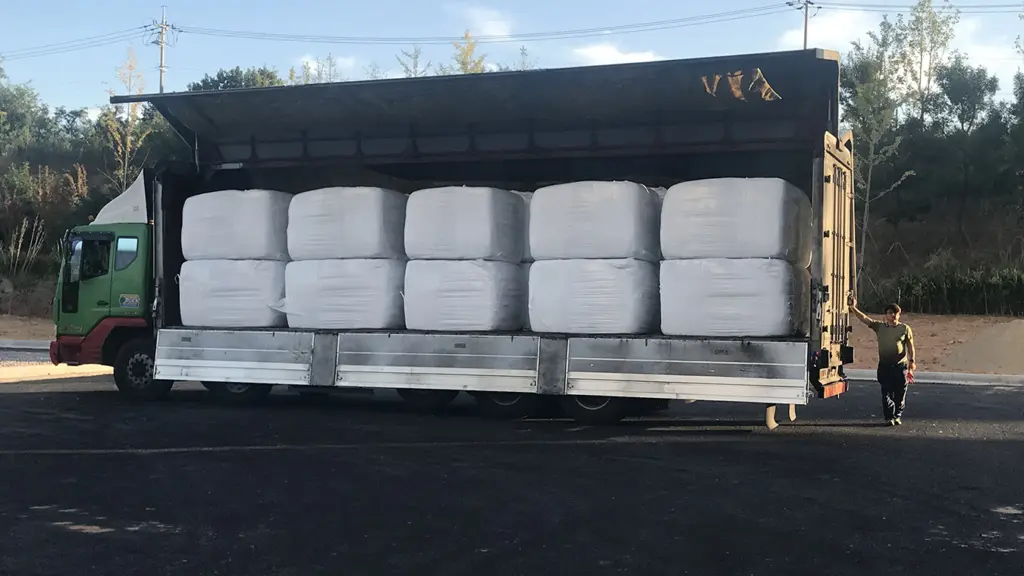
The Bale Opener is built for opening bales of waste-to-energy fuel, most often MSW, RDF, or SRF. Bale sizes, shapes, and contents can vary a lot from one delivery to the next, but they almost always share one thing: a plastic wrap holding everything together.
Looking to open something else? Ask our experts, we are happy to check if it fits.
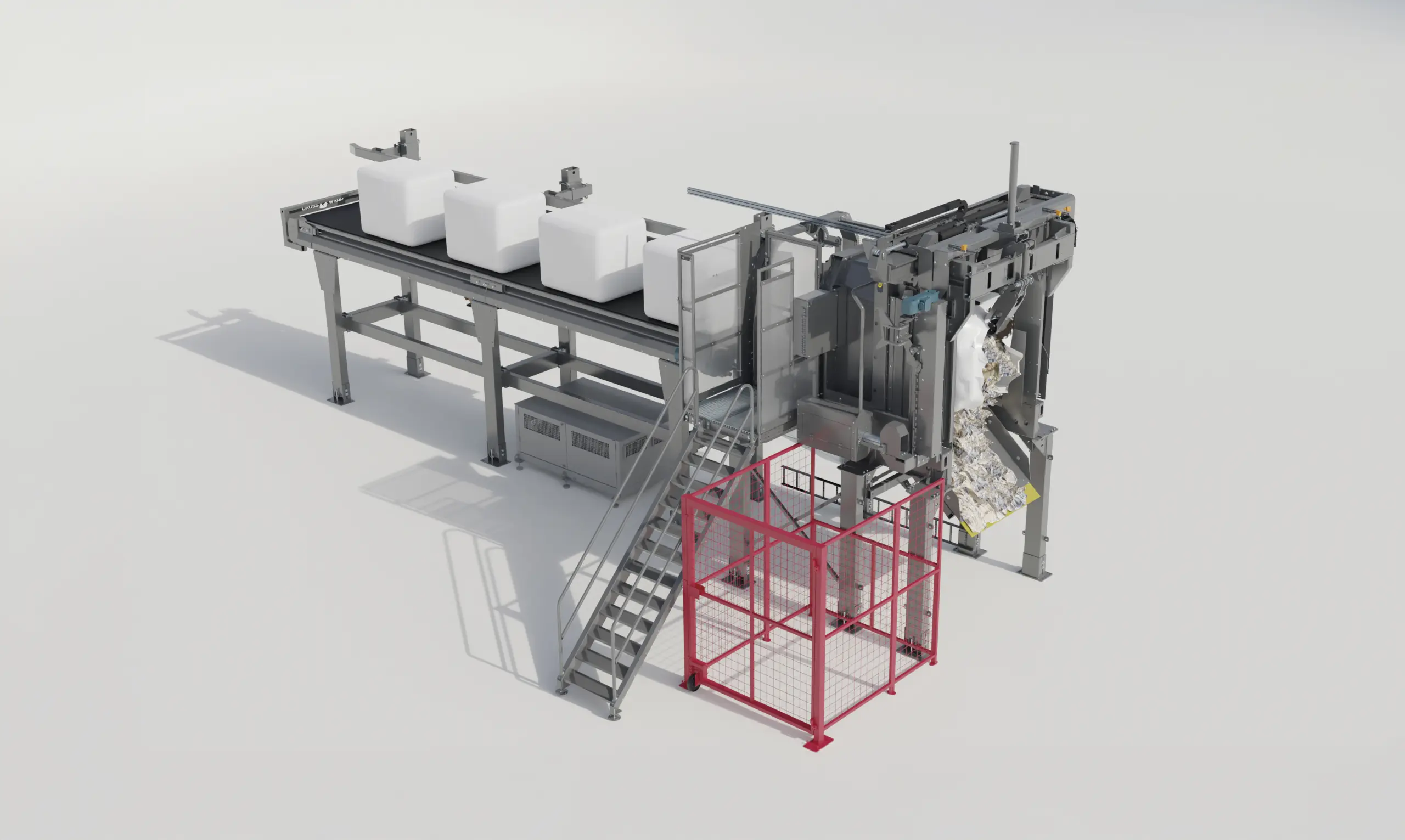
Select a button to learn more about each machine feature.
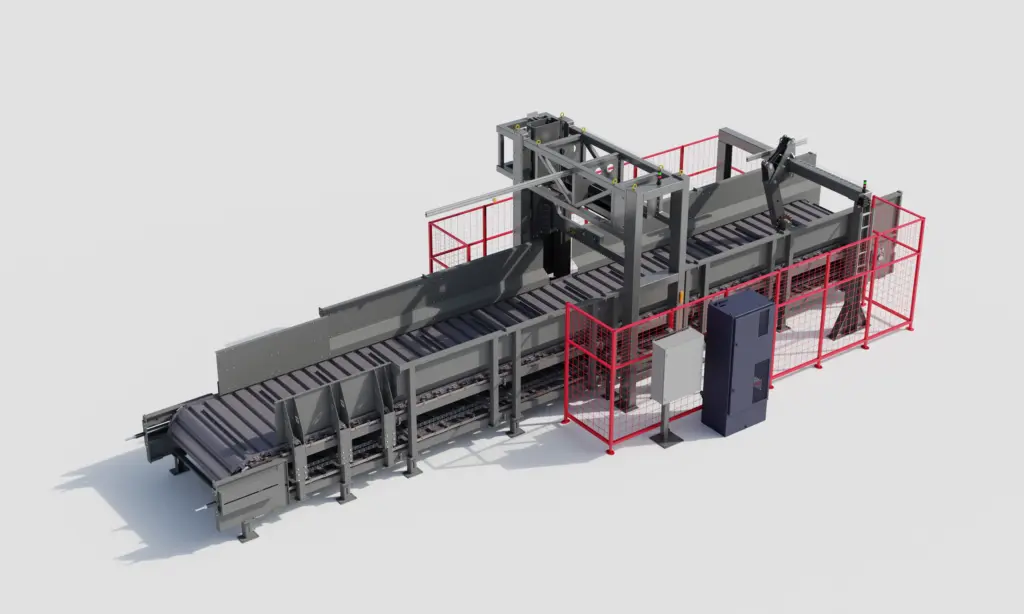
Feeding conveyor
Bottom Cutter
Top Cutter
Grippers
Front cutter
Coiling unit
Dismantling area
Hydraulic unit
Electric cabinet
Maintenance platform & Control panel
Additional features
Over the years, we have listened to our customers, built machines together with them, and added features that make a real difference. Remote connectivity is one of the crucial ones. We can help you remotely whenever help is needed. We have also taken care of different environments, for example electric cabinet coolers or heaters.
See the list below, and if something is missing, machines are always tailored to customer needs. Contact us to hear more!
Conveyors
Custom-built conveyors keep material moving reliably between process stages. Built for durability and precision. Read more
Reference Holcim’s Villaluenga cement plant in Spain (with waste-management handled by Geocycle) invested in a fully automatic Cross Wrap Bale Opener to automate alternative-fuel infeed.
Yes. The machine opens both square and round bales and handles bale weights from 250 to 2500 kg.
The Bale Dewiring Machine removes metal wire from tightly wired bales, most often in plastic and paper recycling. The Bale Opener removes film, net, and ties from bales, most often RDF, SRF, or MSW bales used in waste-to-energy and cement kiln applications. Both machines are built on the same proven Cross Wrap technology.
The film, net, and ties are automatically coiled by the machine, which makes them easier to collect, store, and transport than loose material. Once coiled, they can be recycled separately.
The Bale Opener’s standard capacity is up to 60 bales per hour. For specific volume needs, talk to our experts to review the line’s options.
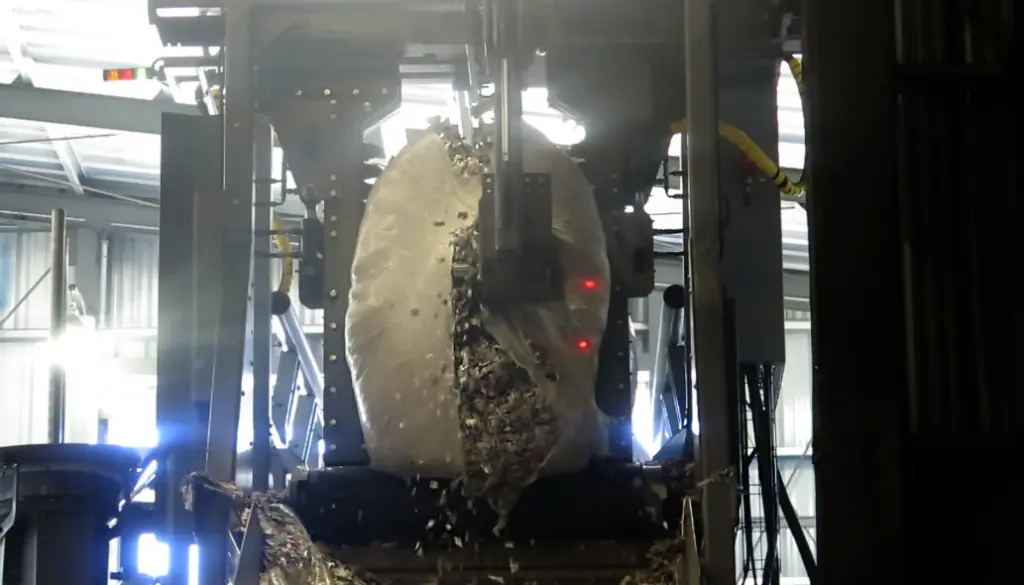
Hydraulic cutters open the bale from three sides, then grippers pull the film, net, and ties away and coil them for easy handling. Only clean material proceeds to the next step, and the coiled film and ties occupy far less space than loose material.
In most cases, yes. Every machine is built to fit the customer’s facility, and our team will review the line together with the customer before suggesting a layout.
Up to 60 bales per hour. Square bales from 700 to 1400 mm wide, 800 to 1200 mm high, and 1150 to 2200 mm long. Round bales 800 to 1200 mm high with a diameter of 1150 to 1400 mm.
Excavators and trommel screens can open bales, but both slow the process and increase wear on the equipment over time. The Bale Opener runs the whole step automatically: it cuts the bale open, then separates and coils the film, net, and ties.
Yes. An optional coupler connects the machine to Profinet or Profibus networks, and a standard LAN or WLAN modem allows secure remote monitoring, troubleshooting, and software updates over a VPN connection.
Cross Wrap Oy is a Finnish company specializing in automated bale handling and material flow solutions for the global recycling, waste, and industrial sectors.
With 700 installations in more than 65 countries, Cross Wrap is known for its innovative bale dewiring, crosswrapping, and opening machines, designed to improve safety, efficiency, and sustainability in material processing.
Cross Wrap was founded in 1994. Today, we are part of Saalasti Group, sharing a commitment to clean technology and durable engineering. Cross Wrap’s mission is to enable cleaner, safer, and more efficient material flows, supporting customers across plastics, paper, board, waste, and fuel processing industries.