Skip to content

Industrial Plastic Recycling Solutions

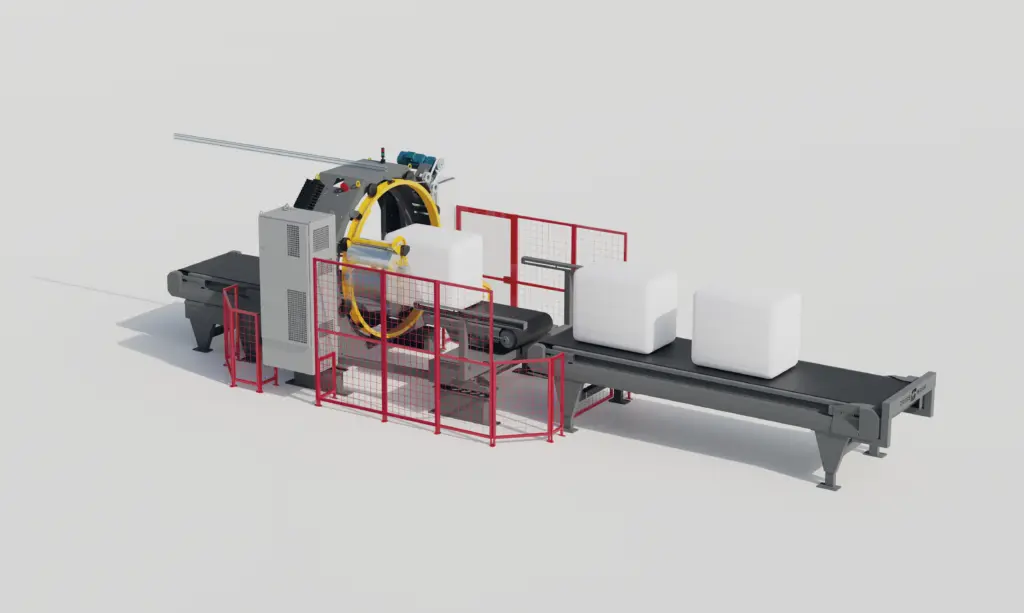
Let’s automate some of the toughest steps in industrial plastic recycling: bale dewiring, opening, and wrapping. The result is safer bale handling, less unplanned downtime, and a consistent material flow from the start of the line. 

Over 100 successful deliveries worldwide. Proven to work in plastic recycling facilities just like yours.

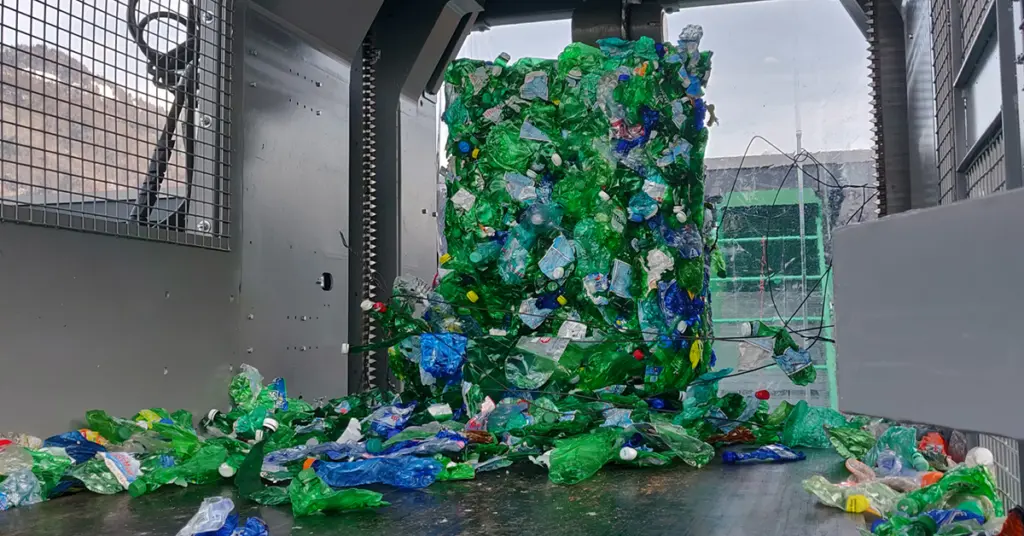
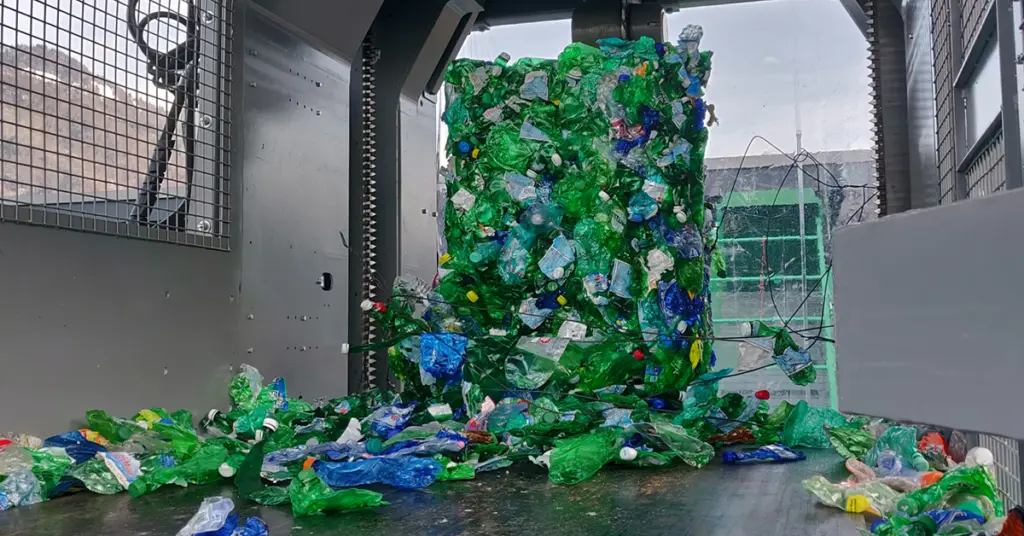
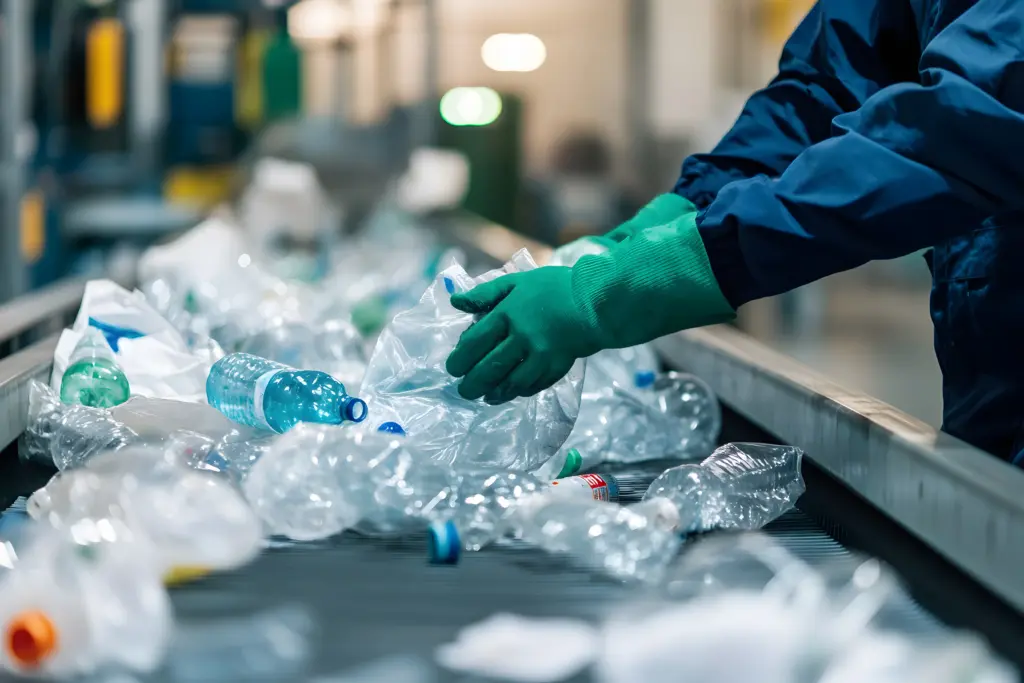
Recycling facility handling PET bottles

Do these challenges sound familiar in your plastic recycling plant? 

Plastic bales are tightly compressed and wired, more often cross-wired, making manual cutting dangerous and time-consuming for the operators. 

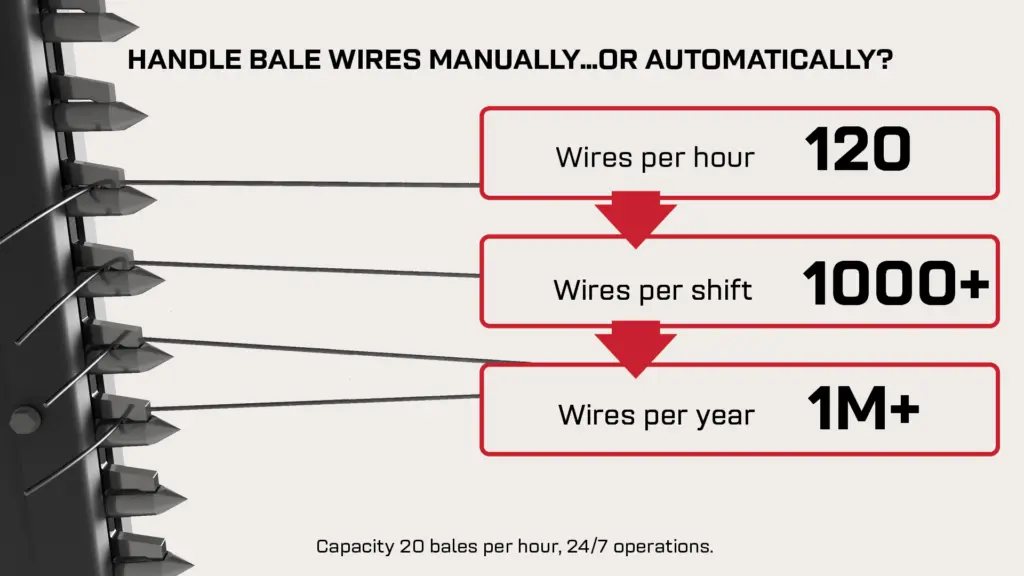
Manual wire cutting is one of the most physically demanding stages in the recycling process. Operators work close to heavy, tightly pressed bales using hand tools, and on cross-wired bales, the work requires cutting from multiple angles. The safety risks from sharp wires and heavy handling are real and difficult to eliminate without automation. 

Manual bale opening leads to uneven feed into plastic recycling lines. This causes downtime and reduces process efficiency. Variable bale composition across film, PET, HDPE, and LDPE also demands flexible automation. 

Bale density varies among suppliers, and different plastic types behave differently when opened by hand.  The result can be irregular material flow that prevents downstream equipment from running at full capacity. 

Read more: Comparing material infeeding methods 

Manual handling increases labour needs, slows down production, and raises costs. Across the recycling industry, the pressure to increase throughput without increasing headcount is growing.  

The bale infeed is one of the most labour-intensive stages on the line. Based on the Cross Wrap customer experience, one operator costs approximately 40,000 USD per year in labour. Have you calculated the true cost of manual handling in your facility? 

Read more: Cost-effectiveness in plastic recycling — 5 ways to improve it

Loose wires entering shredders, extruders, or washing lines cause equipment jams, excessive wear, and costly unplanned downtime. There can also be contamination and littering risks during infeed and preparation. 

Some recycling plants use bale breakers that shred wires along with the materials, relying on magnetic separation afterwards to capture the wire fragments. Cross Wrap employs a different method: our machine removes the wires before the material proceeds along the production line. Wire in the process can drive up costs in ways that are not always visible straight away. Over time, it can show up in maintenance schedules, unplanned stops, and shortened service life of plastic recycling equipment. 

How is your facility currently managing wire waste? In addition to safety and efficiency, the plastic recycling industry is under pressure to enhance sustainability. Wire waste must be properly managed, and operations should be optimized to meet recycling goals. 

A busy recycling line removes a significant volume of wire every day. Without a system to manage it, that wire accumulates on the floor as a tangled, space-consuming mass. The volume is larger than most people expect before they see it: metres and metres of steel wire piling up in a way that creates both a safety and fire hazard. 

What does automated bale handling for plastic recycling solve?

Whether you call it bale dewiring, debaling, or automated bale opening, the result is the same: safer bale handling, less unplanned downtime, and a consistent material flow from the start of the line. 

Bales come in various forms, and plastic recycling facilities often handle multiple bale types in a single shift. The density of bales varies among suppliers, and wire configurations differ by market, requiring machines to adapt accordingly.  

Cross Wrap provides a safe, consistent, and efficient solution for wire cutting, removal, and coiling for a wide range of materials, including mixed plastics, film, PET, HDPE, and LDPE.  

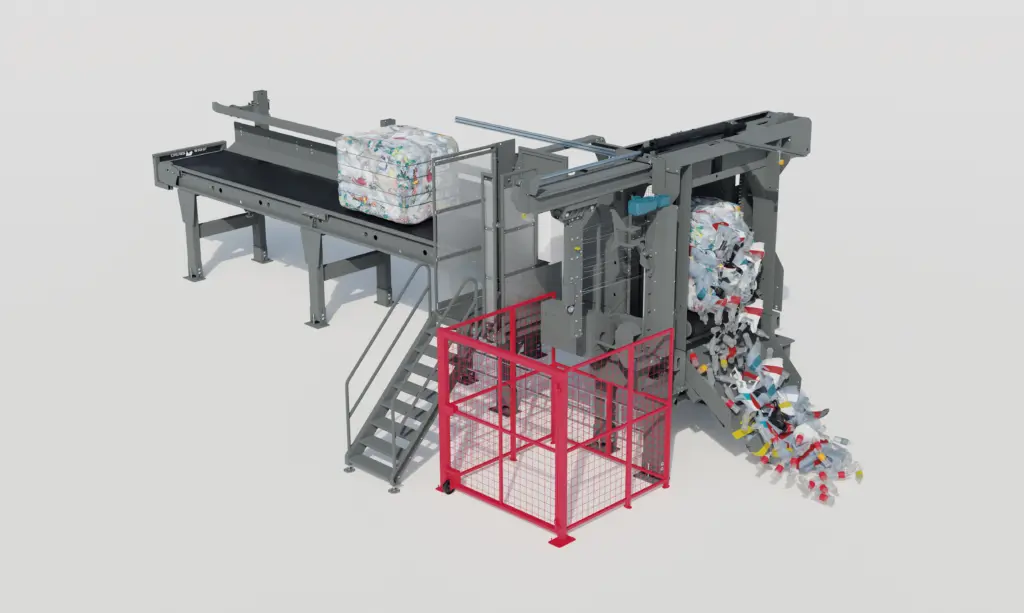
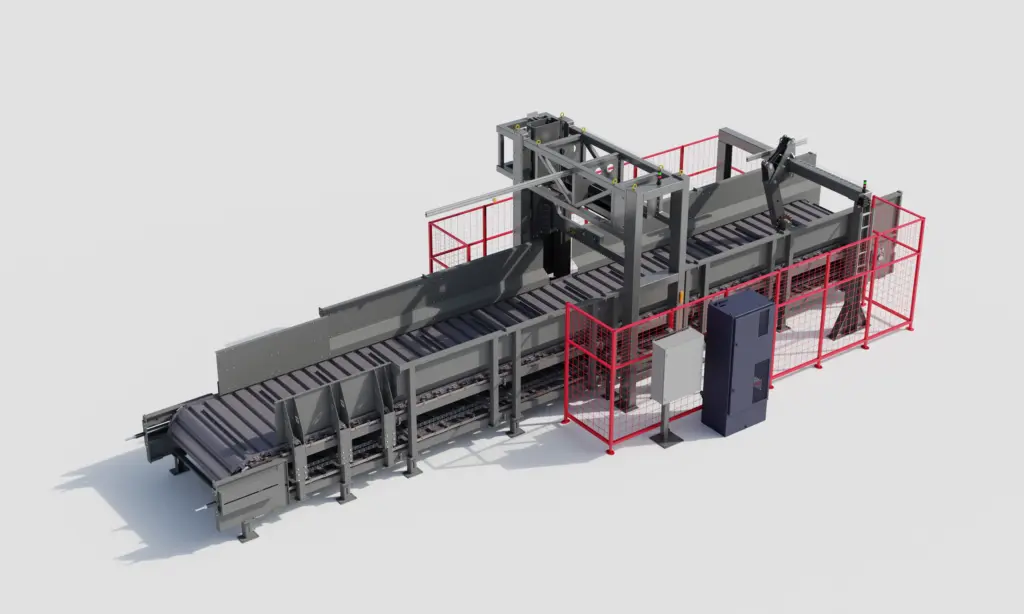
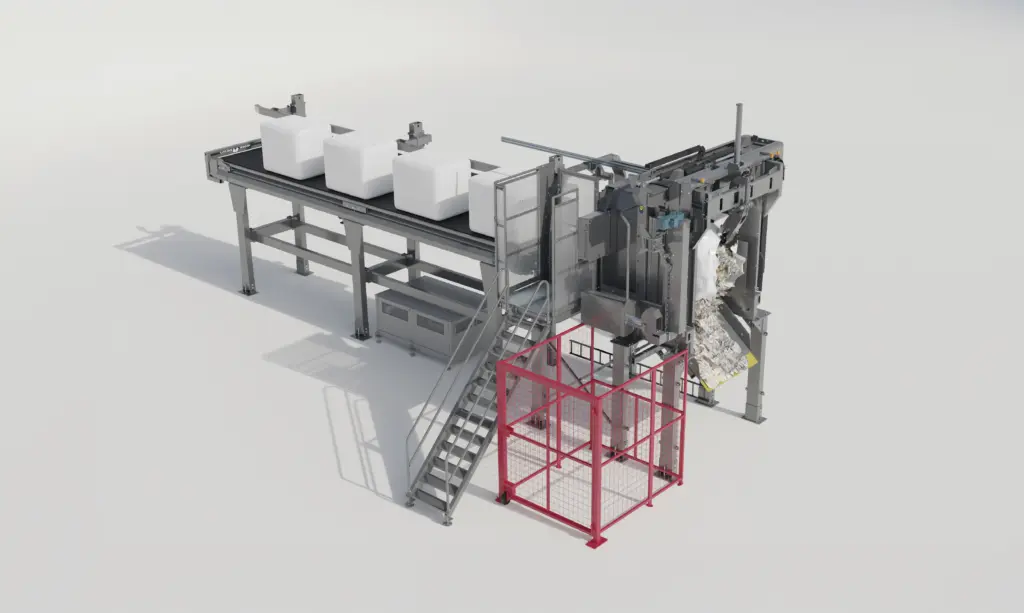
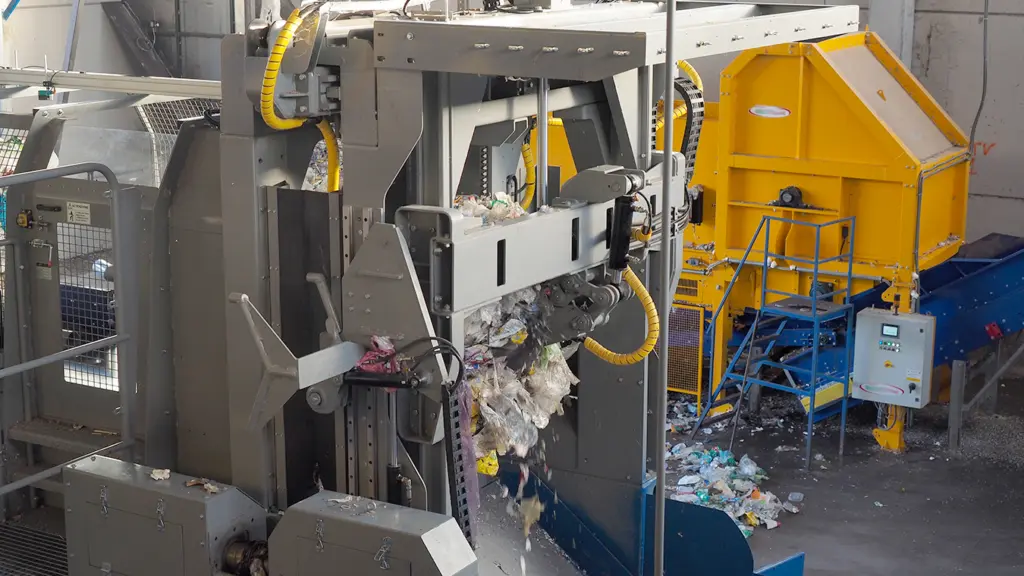
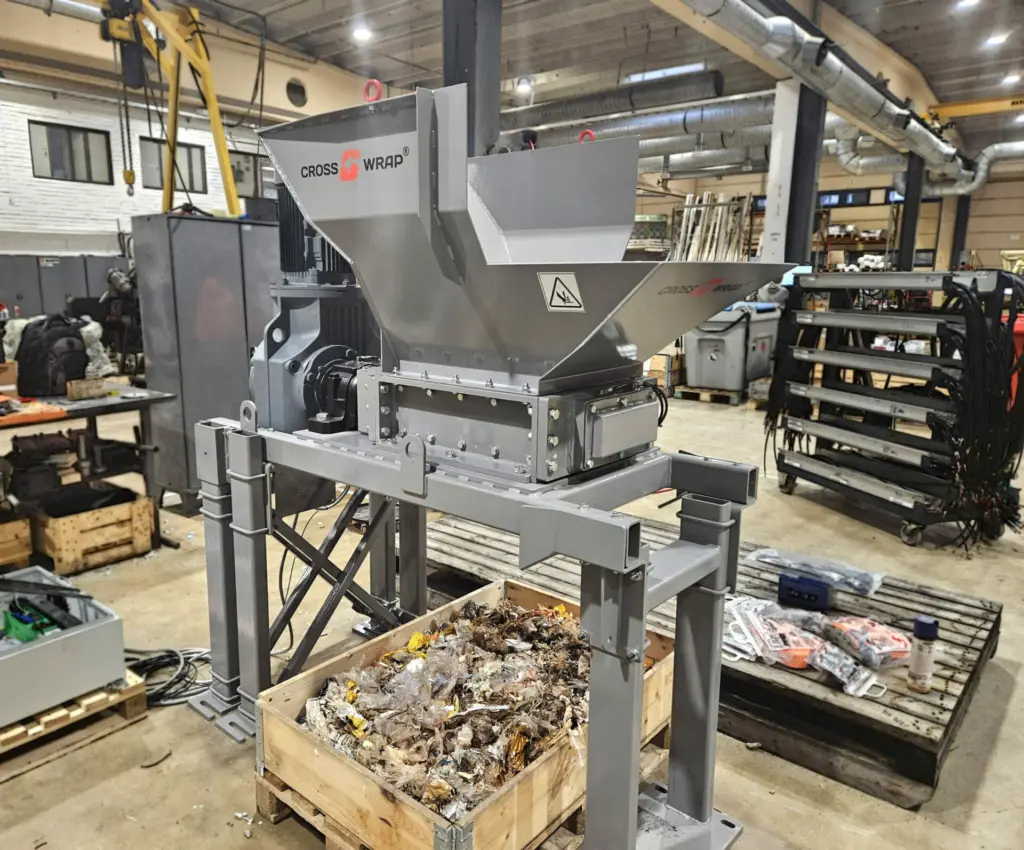
The Bale Dewiring Machine is designed to efficiently manage different bale types without the need for manual adjustments. It is compatible with both single-wired ties and cross-wired bales. Additionally, the machine can be customized to accommodate the specific sizes of bales and wire types in your operation, making it easy to integrate into your production line. 

Read more about the Bale Dewiring Machine 
Automated dewiring removes one of the biggest safety risks on the line by eliminating manual wire cutting and the injuries that can come with it. Operators no longer need to work close to tensioned bales with hand tools. 

The machine handles all the cutting, removing, and coiling of the wire. This allows the team to focus on safer and more productive tasks on the plastic recycling line, leading to a more consistent operation. 

Wire that leaves the process early cannot damage what comes next in the plastic recycling line. 

The Cross Wrap method is built around horizontal wire removal, with grippers and cutters tailored to the material being processed. This approach consistently achieves a higher wire removal rate than shredder-based alternatives, keeping the line clean from the very first stage. 

What enters the process after dewiring is simply recyclable plastic. Customers report up to 50% less wear and tear on shredders when dewiring is installed before the shredder stage. Clean material flow is not a byproduct of the machine; it is the point of the machine.

Read more: Comparing Material Infeeding  Methods: Why the Start of the Process Matters Most 

With automated dewiring, the removed wire becomes a manageable, useful material rather than a space-wasting problem. 

The machine coils wire into compact bundles that save space and simplify storage and transport. Metal is infinitely recyclable, and effective wire management enhances both sustainability and profitability.

For facilities where wire waste has been an unresolved operational problem, the coiling unit is often one of the most appreciated features of the machine. 

Unplanned downtime is the most expensive thing that can happen on a recycling line. Reliable dewiring ensures that wire-related stoppages are no longer part of your worry list. 

When bale wires are removed before the process begins, they cannot disrupt the process that follows. No loose wire means no wire-related jams, no accelerated blade wear, and no contamination reaching downstream equipment. Shredder blades last longer, extruders run cleaner, and the maintenance schedule reflects actual wear rather than emergency repairs. 

The machine is designed with the same logic: grippers and cutters are replaceable one at a time, so a single worn component can be swapped quickly without a lengthy line stoppage.

Cross Wrap machines offer remote access for quick diagnostics and software support. The service team can monitor machine history, allowing for the identification and resolution of worn components before they cause a stoppage. 

Up to 60 bales per hour. Fully automated wire­ cutting, removal, and coiling in a single step.


A robust plastic recycling machine and a partner for the long run 

When your facility needs plastic recycling equipment that performs reliably day in and day out, Cross Wrap is built to deliver for years to come. Built and engineered in Finland, Cross Wrap machines are held to a standard that prioritizes long operational life. The plastic recycling machines continue to perform reliably across diverse conditions and continents years after installation. 

Getting a reliable machine up and running is one thing. Keeping it that way is another. Cross Wrap’s involvement does not end at installation.  

From the first conversation about your process through commissioning, ongoing maintenance, and future upgrades, the team stays with you across the machine’s operational life.  

And how do you know it works? The proof is simple. Cross Wrap customers come back. That is the clearest measure of how the partnership works. 

Real-life results from a plastic recycling customer:

Shredder blade maintenance hours have dropped 50% after the installation of the Dewiring Machines at Blue Mountain Plastics, a Canadian PET recycling facility.

When bale wires were not removed from the material infeed, shredder maintenance alone took 8–12 hours per week. Downtime has been significantly reduced thanks to the Dewiring Machines.

Solutions for industrial plastic recycling  

Customer cases with plastic recycling machinery

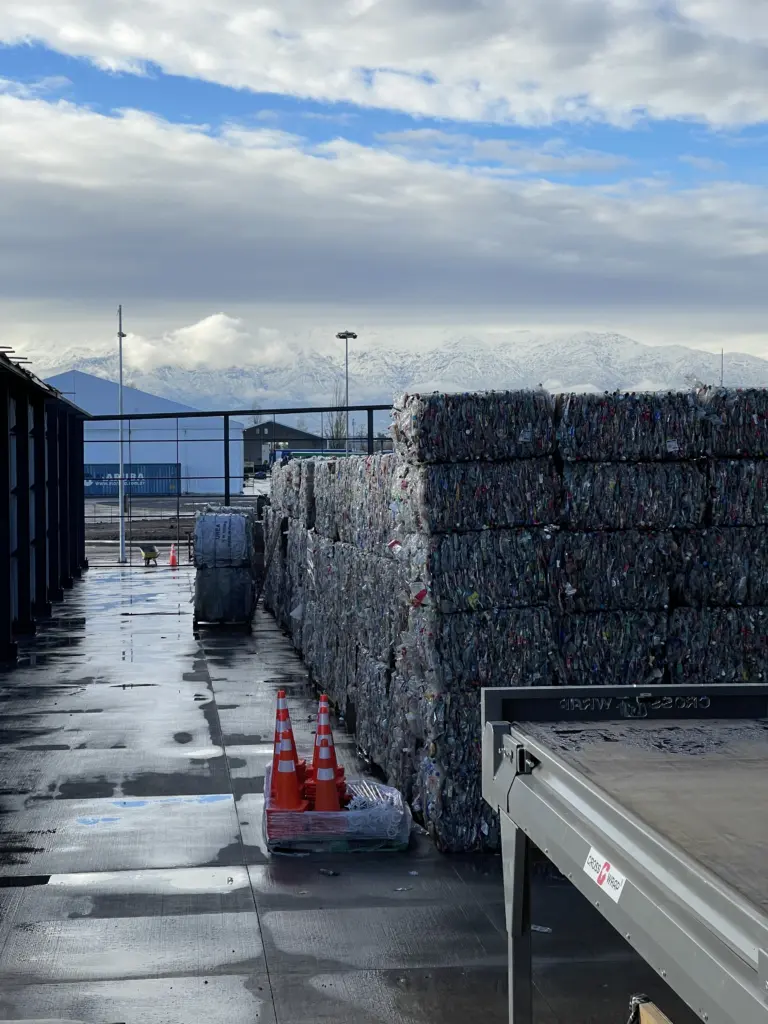
Recycled plastic bale on dewiring

Blue Mountain, Canada

Reference Blue Mountain Plastics, a facility operated by Ice River Sustainable Solutions in Shelburne, Ontario, is a closed-loop PET-recycling operation producing 100% recycled PET for beverage bottles.

Read more
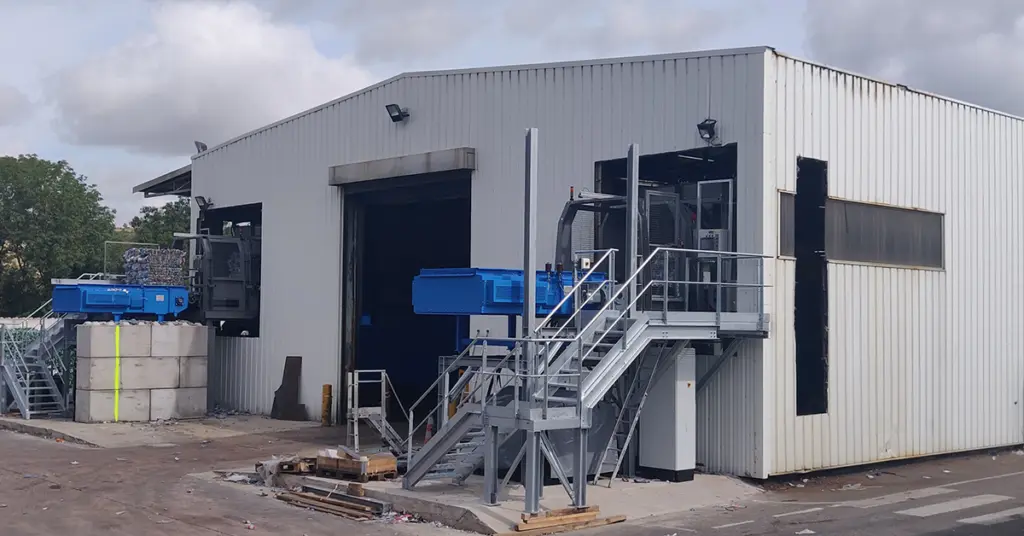
Two Dewiring machines at Wellman's, Cross Wrap's customer's, site

Wellman International, France

Reference Wellman International France Recyclage (Verdun), an Indorama Ventures company, partnered with Cross Wrap to automate PET bale dewiring with two Bale Dewiring

Read more

Why choose Cross Wrap as a partner for your plastic recycling plant?

  • Proven plastic recycling solutions. Over 100 Bale Dewiring Machine and Wire Cutter deliveries to plastic and paper recycling facilities worldwide.
  • Reliability built on experience. Each installation contributes to ongoing R&D, ensuring that today’s machines reflect over a decade of real-world knowledge.
  • Designed and manufactured in Finland. Built to perform reliably in dusty, cold, hot, and outdoor environments. Finnish engineering with a focus on long operational life and consistent performance across continents.
  • Lifecycle support. OEM spare parts, upgrades and modernizations, remote service, and on-site audits keep the machine performing well after installation and throughout its full operational life.


FAQ: Industrial plastic recycling solutions

Removing bale wires at the start of the line protects every process step that follows. Wires that reach shredders, extruders, or washing lines cause blade wear, jams, and unplanned stops. A dewired bale also breaks down into sections that are faster and easier for downstream equipment to handle, and coiled wire takes up far less space.  

It can handle, for example, PET, HDPE, LDPE, plastic film, and mixed plastics.

Debaling, bale dewiring, and bale opening all describe the process of removing wires from compressed bales of recyclable material before it enters the recycling line. The Cross Wrap Bale Dewiring Machine automates the entire process, cutting, removing, and coiling the wire in one continuous operation.

Bales are fed horizontally into the machine, where the wires are gripped and severed cleanly in a single continuous pass. The bale moves through in sections while the extracted wires are wound into compact coils. The process is fully automated.

Up to 60 bales per hour for one side wired bales, and up to 30 bales per hour for cross-wired bales. The machine is available in models that accommodate different bale heights and widths, with bale weights ranging from 200 to 2,000 kg. 

A magnetic separator catches some wire fragments after shredding, but its removal rate is lower than that of a dedicated Dewiring machine. What it misses travels into washing lines and other plastic recycling equipment on the line. 

Based on Cross Wrap customer experience, one operator costs approximately 40,000 USD per year in labour. A facility running two operators per shift across three shifts can typically expect the machine to pay back within approximately two years through labour savings alone, before accounting for reduced maintenance costs downstream.

The Bale Dewiring Machine cuts, removes, and coils wire completely before the bale moves forward. The Wire Cutter cuts the wires but leaves wires to the process. The Wire Cutter is a lower-cost first step where safer cutting is the priority. 

The grippers and cutters are individual replaceable components that can be swapped one at a time without lengthy system downtime. Remote access is standard on every machine for fast diagnostics and software support.

The removed wire is coiled automatically into compact bundles that can be stored and transported. Steel can be recycled indefinitely. 

Cross Wrap offers a full after-sales package: OEM spare parts, upgrades and modernizations, service contracts, remote diagnostics, and on-site audits.  

Local service partners are available in the UK, Norway, France, the Netherlands, Germany, Spain, Italy, Chile, and the USA.

You might be also interested of our articles

Your plastic recycling line deserves a better start.

Let’s make it happen. Contact us and let’s discuss how we can help your recycling!